
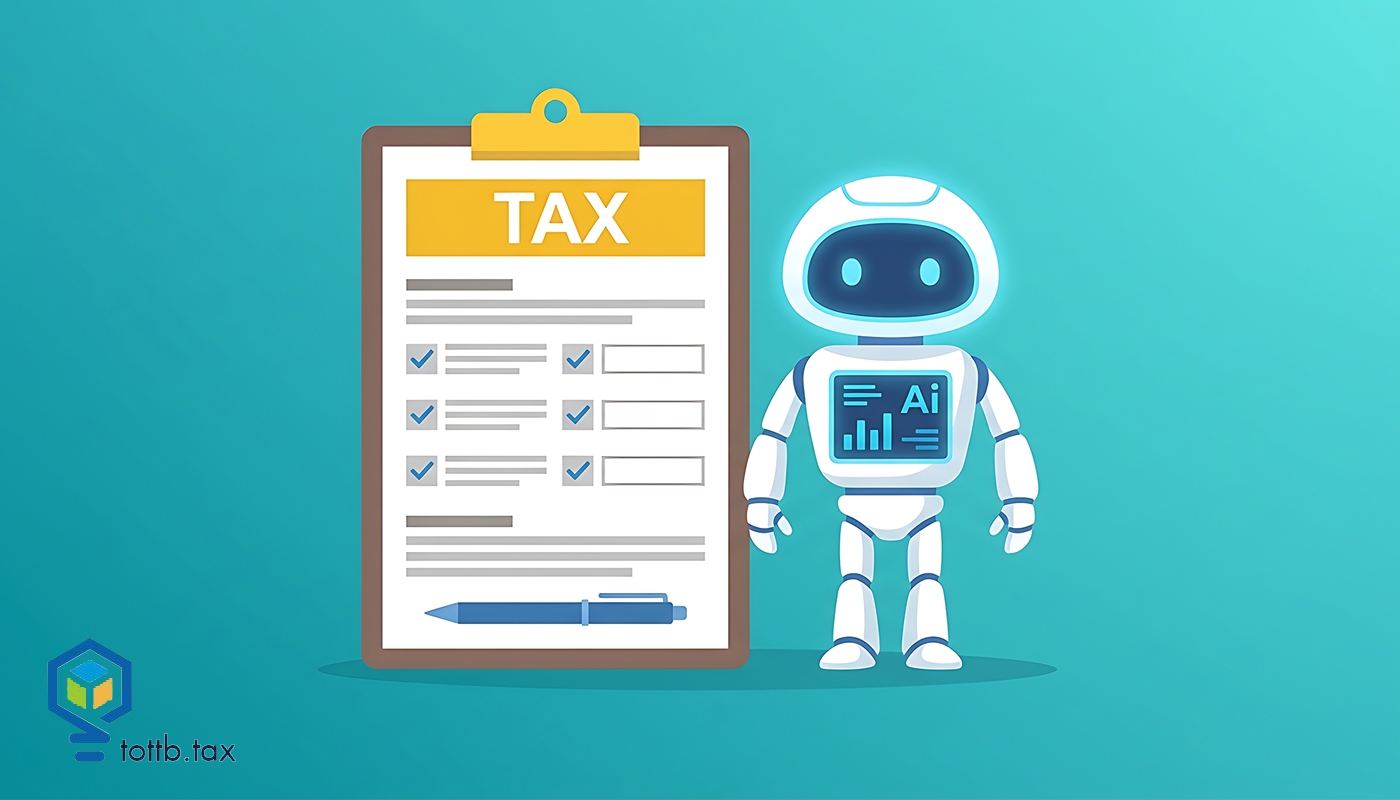
Tax Research in an AI World
It has never been harder to do quality tax research than at any time in my 43-year career in tax accounting. In the 1980s, when I was part-time in the industry, there was no internet. Since I was part-time, I ordered Publications 1132, 17, and 334. The rest I found at the library. A few hearty souls might even remember when the post office had stacks of tax forms for the public. Once I went full-time for the 1989 tax season I needed more resources. CCH was my tool of choice. I still used IRS publications and the library. My handy reference guide of choice was, and still is, the QuickFinder. I never used TaxBook much, but it is another good resource for general answers. Then came the internet. The promise was that we would have the world at our fingertips. And for the large part we did, only we forgot some things we would rather keep at an arm’s length. The internet slowly allowed us to replace rooms in our office filled with tax guides and forms with online resources. Law offices and accounting firms often wrote tax articles on narrow tax subjects. Research was easier than ever.
Then came AI.
READ MORETrump Accounts Are Live. Are They Spectacular?
Trump Accounts (or § 530A accounts) went live via app on July 4, 2026. According to the Treasury Department, over six million accounts have been opened. As of Monday, July 6, 2026, parents and guardians of account beneficiaries could use the app to view their children’s accounts, fund the accounts, and access balances and financial education information. The Treasury Department designated BNY Mellon “as a financial agent of the U.S. government to support implementation of the new Trump Accounts program.” BNY, in partnership with Treasury, will manage the accounts and help to develop the app taxpayers can use to manage their accounts. Robinhood Securities, LLC is acting as the initial trustee and brokerage for the accounts.
Read More
Will AMT Make a Comeback After OBBBA?
Following Betteridge’s Law of Headlines, the answer to the question posed in the headline is, “no.” Actually — because we’re talking about taxes here — we can say the answer is never so definitive, so let’s change it to “probably not.” But it's more complicated than it may seem.
Read More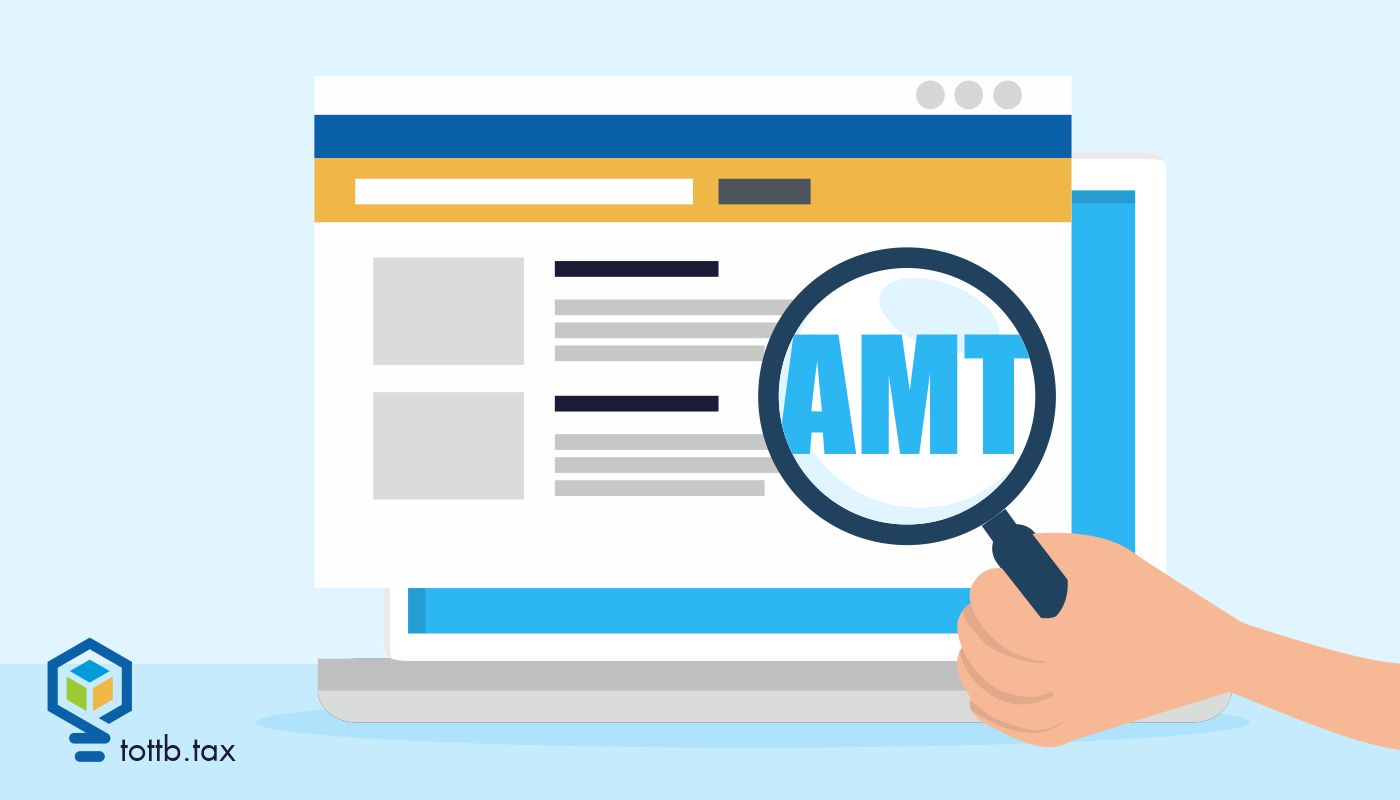
Why Citizenship, Residency, and Domicile Matter
If you spend any time in the world of cross-border taxes, you start to notice a pattern: the hardest problems usually begin with a deceptively simple question—who gets to tax you? And the answer is rarely as simple as “the country where I live.” That’s because tax systems don’t rely on just one concept to decide who belongs in their net. They use citizenship, residency, and domicile. These terms sound similar, and people often use them interchangeably in casual conversation, but in tax law they mean very different things. For globally mobile individuals, understanding the difference matters. You can be a U.S. citizen, a tax resident of another country, and still have your long-term home base tied to a different jurisdiction altogether. Each label can trigger different tax consequences, different filing obligations, and different planning opportunities.
Read More
Sophisticated EMR Software Meets Old-School Skimming: Lessons From The Aryanpure Case
The simplest way to reduce your taxable income from an S corporation is to take some of the gross receipts directly into your personal account without running them through the corporate books. Don’t mention this to your tax preparer and make sure they don’t find out. If you get caught by the IRS, though, hire an expert to explain why it is your preparer’s fault. This plan did not work all that well for a couple, both physicians, who were running two medical family medical clinics through an S Corporation called MedExpress. They ended up being liable for the fraud penalty which has the collateral effect of extending the statute of limitations indefinitely. At 75% the fraud penalty is as bad as it can get without losing your liberty.
Read More
The Follow-Up Framework: How Accountants Can Close More Deals with Less Pressure
Follow-up isn’t nagging. Follow-up is leadership. It’s how we stay relevant, reduce decision friction, and serve prospects who genuinely need help but are overwhelmed, distracted, or uncertain. And if we’re honest, it’s also where a lot of revenue is quietly lost—not because people say “no,” but because they drift. There’s an old saying: the riches are in the follow-up. In public accounting, that’s not hype. It’s math.
Read More
State Tax Planning with the “80/20 Company” Exclusion
Many multinational groups find that foreign-source dividends and other income earned by domestic affiliates are fully or partially subject to state income taxation, even where the federal system provides an exemption. This state-level “leakage” can be material – particularly in high-tax jurisdictions – and is often overlooked because the income appears sheltered at the federal level. For groups with predominantly foreign operations, a starting structure or a restructuring that causes one or more domestic affiliates to qualify as an “80/20 company” can substantially reduce or eliminate state taxation on that income.
Read More
Real World Ethics: What Happens When a Judge Doesn’t Understand Tax Law
We all know how messy tax returns can get when couples who used to file jointly divorce and there are children (and tax credits) involved. It’s often difficult to explain the rules surrounding Head of Household filing status and the various tax credits available to parent-clients who have separated or divorced. But what happens when the clients misunderstand and decide to fight about it in family or divorce court? The following case study says “nothing good” can be a horrifying and frustrating answer to this question.
Read More
The Return of Taxable Student Loan Forgiveness: Planning Considerations for 2026 and Beyond
Remember the dreaded student loan “tax bomb?” For the past few years, it's been easy to forget about it. Thanks to a temporary federal tax exclusion enacted during the pandemic, borrowers who received student loan forgiveness between 2021 and 2025 generally didn't have to include that forgiven debt in their taxable income — leaving many borrowers (and their advisors) to wonder if the tax bomb would eventually disappear for good. Unfortunately, Congress allowed the temporary exclusion to expire. Beginning in 2026, forgiven student loan balances may once again be treated as taxable income. While that sounds like a major change, the reality is that most borrowers didn’t benefit from these tax-free years in the first place. For most borrowers, forgiveness is still years away, and there’s no crystal ball for what future federal policymakers may do. In the meantime, advisors may need to revisit planning conversations that many assumed were behind them. And depending on where a borrower lives, their federal tax bill may be only part of the story.
Read More

Tax Research in an AI World
It has never been harder to do quality tax research than at any time in my 43-year career in tax accounting. In the 1980s, when I was part-time in the industry, there was no internet. Since I was part-time, I ordered Publications 1132, 17, and 334. The rest I found at the library. A few hearty souls might even remember when the post office had stacks of tax forms for the public. Once I went full-time for the 1989 tax season I needed more resources. CCH was my tool of choice. I still used IRS publications and the library. My handy reference guide of choice was, and still is, the QuickFinder. I never used TaxBook much, but it is another good resource for general answers. Then came the internet. The promise was that we would have the world at our fingertips. And for the large part we did, only we forgot some things we would rather keep at an arm’s length. The internet slowly allowed us to replace rooms in our office filled with tax guides and forms with online resources. Law offices and accounting firms often wrote tax articles on narrow tax subjects. Research was easier than ever.
Then came AI.
Trump Accounts Are Live. Are They Spectacular?
Trump Accounts (or § 530A accounts) went live via app on July 4, 2026. According to the Treasury Department, over six million accounts have been opened. As of Monday, July 6, 2026, parents and guardians of account beneficiaries could use the app to view their children’s accounts, fund the accounts, and access balances and financial education information. The Treasury Department designated BNY Mellon “as a financial agent of the U.S. government to support implementation of the new Trump Accounts program.” BNY, in partnership with Treasury, will manage the accounts and help to develop the app taxpayers can use to manage their accounts. Robinhood Securities, LLC is acting as the initial trustee and brokerage for the accounts.
Will AMT Make a Comeback After OBBBA?
Following Betteridge’s Law of Headlines, the answer to the question posed in the headline is, “no.” Actually — because we’re talking about taxes here — we can say the answer is never so definitive, so let’s change it to “probably not.” But it’s more complicated than it may seem.