
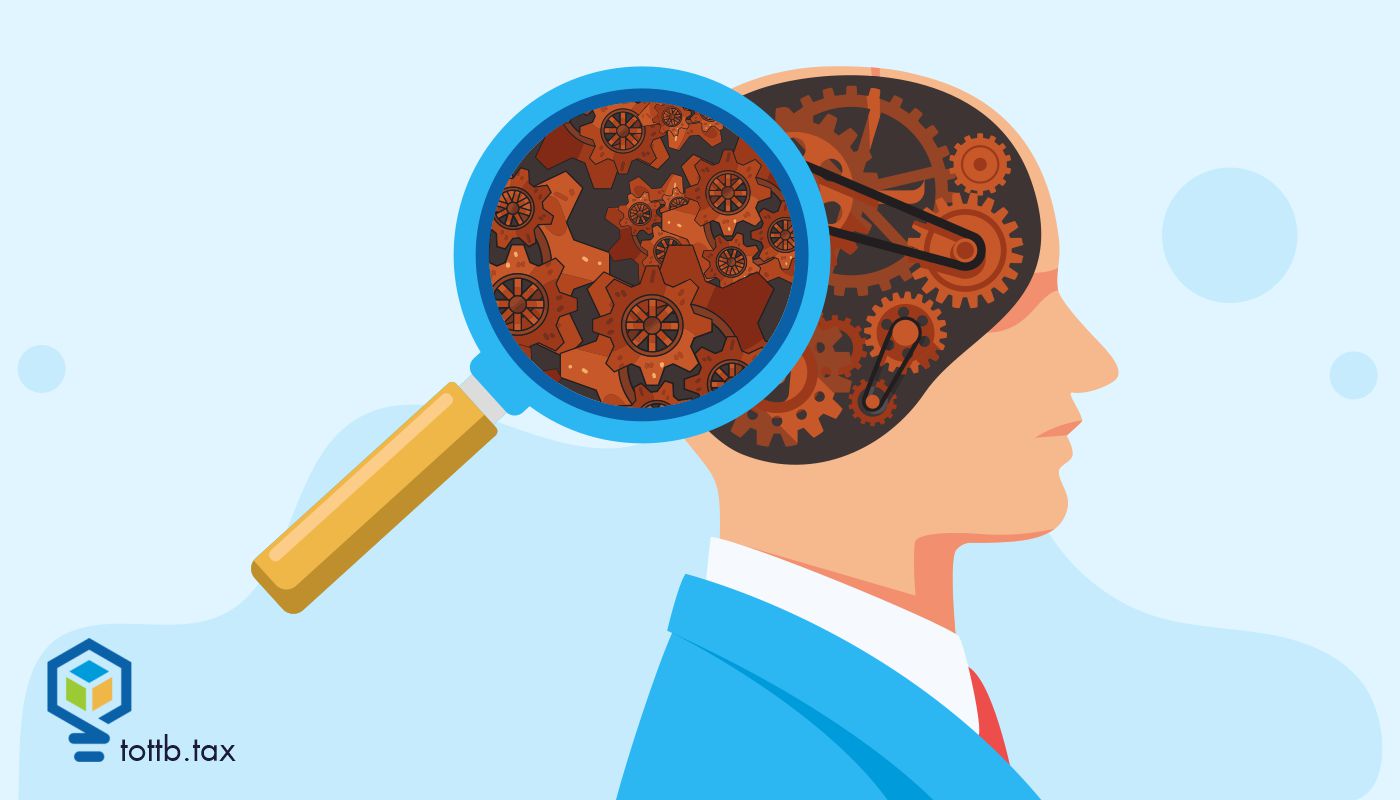

The accounting world is changing fast. Computers and AI now handle much of the boring, repetitive work that humans used to do by hand. This is great for saving time and catching mistakes, but it also introduces a new challenge: "mental rust" or “cognitive atrophy.” If we rely on computers for most of our thinking, our own problem‑solving skills can weaken. Recent studies suggest that heavy reliance on AI tools is associated with lower scores on some critical thinking tests. When we stop practicing how to solve problems ourselves, we may be less prepared when something unusual happens that the computer cannot handle. To stay sharp, accountants need to find practical ways to keep their brains working hard. Here are 100 simple ways to keep your mind strong in the age of AI.

Will AMT Make a Comeback After OBBBA?
Following Betteridge’s Law of Headlines, the answer to the question posed in the headline is, “no.” Actually — because we’re talking about taxes here — we can say the answer is never so definitive, so let’s change it to “probably not.” But it’s more complicated than it may seem.