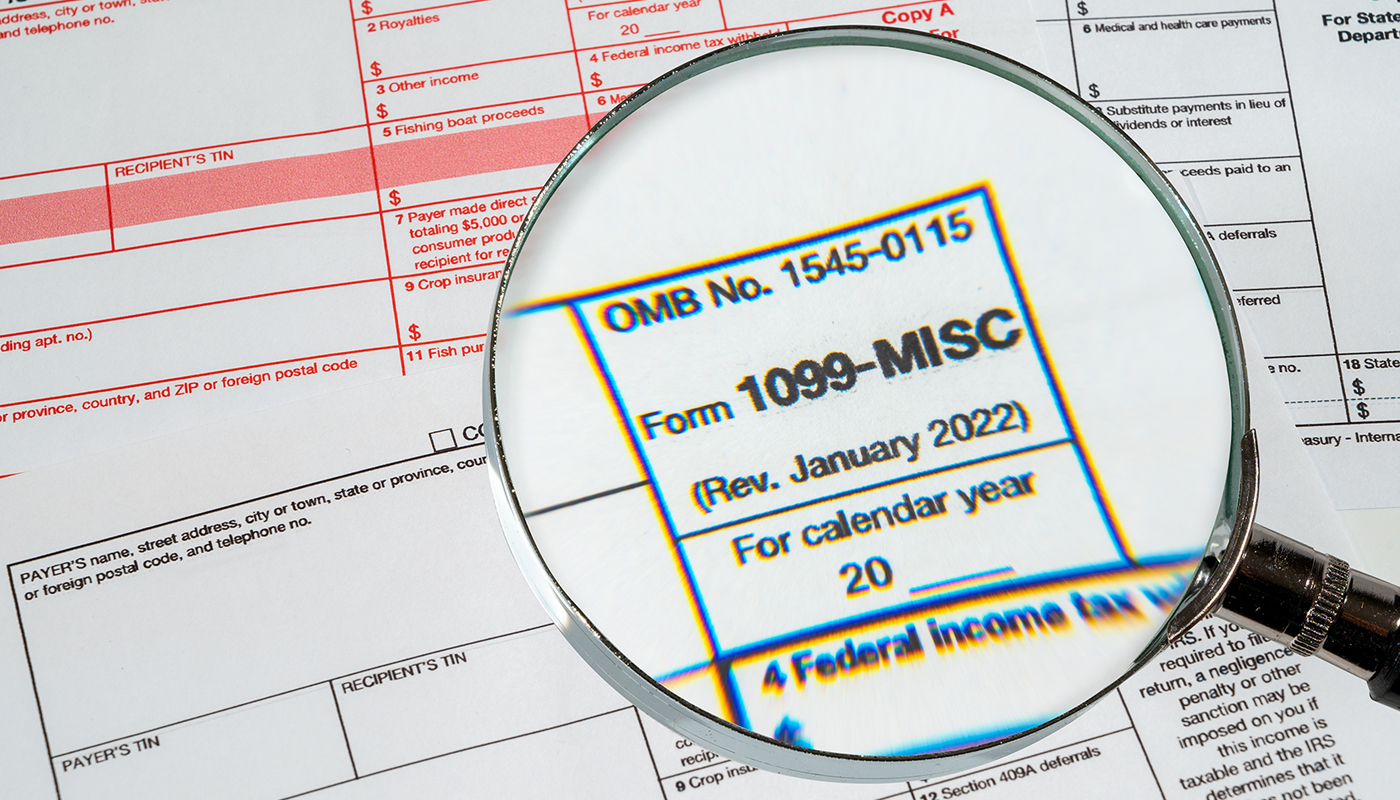


When it comes to document retention, my guiding policy is “If I don’t keep it, it can’t be stolen or subpoenaed.” That sounds cynical, but there’s truth in it. The smaller your data “surface area,” the less you have to manage in the event of a data breach (or, if you hold paper documents, in the event of a fire or break in). And, if a client or former client gets really sideways in divorce or criminal court, being able to say “I have a policy in place and I don’t keep records longer than three years” can provide you with a measure of peace. But what should your policy be? It depends, but relevant assessment statutes are a good place to start. This article reviews the IRS rules for assessing tax and provides some best practices for developing document retention policies for return preparation documents in your practice.


Reassessing R&D Structures After the Section 174 Changes
Recent changes to the tax treatment of research and experimental (“R&E”) expenditures may warrant a fresh look at existing intellectual property (“IP”) and research and development (“R&D”) structures. This article examines whether taxpayers should revisit decisions regarding the location of R&D activities, IP ownership, contract R&D arrangements, and related transfer pricing policies in light of the evolving legislative landscape, and how the interaction of Sections 174, 168(k), 59(e), and 163(j) can be used to calibrate a tax-efficient result.