



You Don’t Need a Bigger Stack — You Need a Better Portfolio
In every tax Facebook group or conference session, there's always that one pro excitedly talking about the latest app they've added to their "tech stack." But here's the dirty little secret: most of us aren't running integrated tech stacks. We're juggling a mix of disconnected tools that may or may not play nicely together. Let's stop pretending we're all building perfectly integrated ecosystems. What we really need is a tech portfolio—a curated collection of tools that serve our actual needs, reflect how we really work, and support the kind of client experience we want to deliver. A portfolio recognizes reality: tools don’t have to talk to each other perfectly. They just need to work for you. So let’s explore how to build a smart, efficient, and secure tech portfolio that helps you thrive whether you’re a solo professional or managing a growing team.
Read More
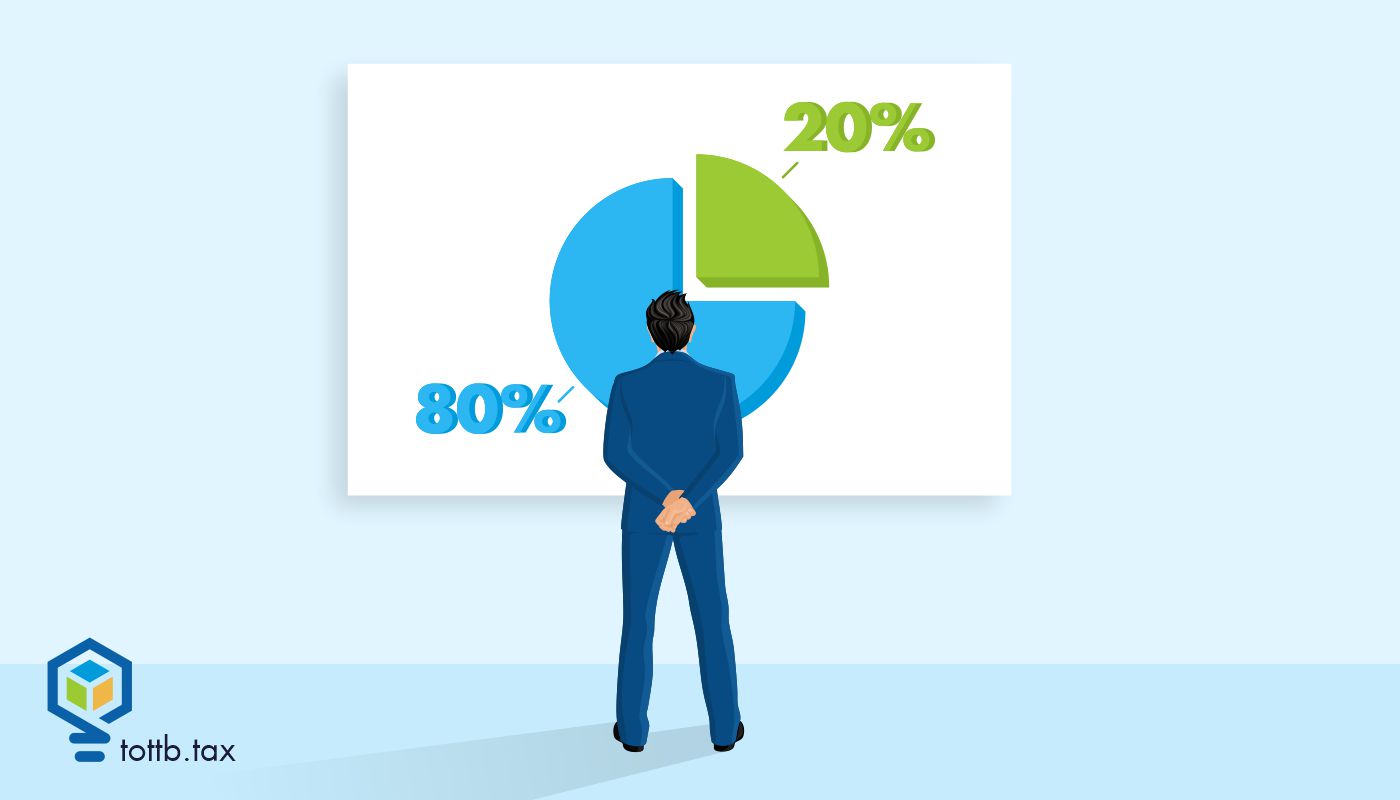
State Tax Planning with the “80/20 Company” Exclusion
Many multinational groups find that foreign-source dividends and other income earned by domestic affiliates are fully or partially subject to state income taxation, even where the federal system provides an exemption. This state-level “leakage” can be material – particularly in high-tax jurisdictions – and is often overlooked because the income appears sheltered at the federal level. For groups with predominantly foreign operations, a starting structure or a restructuring that causes one or more domestic affiliates to qualify as an “80/20 company” can substantially reduce or eliminate state taxation on that income.

Real World Ethics: What Happens When a Judge Doesn’t Understand Tax Law
We all know how messy tax returns can get when couples who used to file jointly divorce and there are children (and tax credits) involved. It’s often difficult to explain the rules surrounding Head of Household filing status and the various tax credits available to parent-clients who have separated or divorced. But what happens when the clients misunderstand and decide to fight about it in family or divorce court? The following case study says “nothing good” can be a horrifying and frustrating answer to this question.
The Return of Taxable Student Loan Forgiveness: Planning Considerations for 2026 and Beyond
Remember the dreaded student loan “tax bomb?” For the past few years, it’s been easy to forget about it. Thanks to a temporary federal tax exclusion enacted during the pandemic, borrowers who received student loan forgiveness between 2021 and 2025 generally didn’t have to include that forgiven debt in their taxable income — leaving many borrowers (and their advisors) to wonder if the tax bomb would eventually disappear for good. Unfortunately, Congress allowed the temporary exclusion to expire. Beginning in 2026, forgiven student loan balances may once again be treated as taxable income. While that sounds like a major change, the reality is that most borrowers didn’t benefit from these tax-free years in the first place. For most borrowers, forgiveness is still years away, and there’s no crystal ball for what future federal policymakers may do. In the meantime, advisors may need to revisit planning conversations that many assumed were behind them. And depending on where a borrower lives, their federal tax bill may be only part of the story.