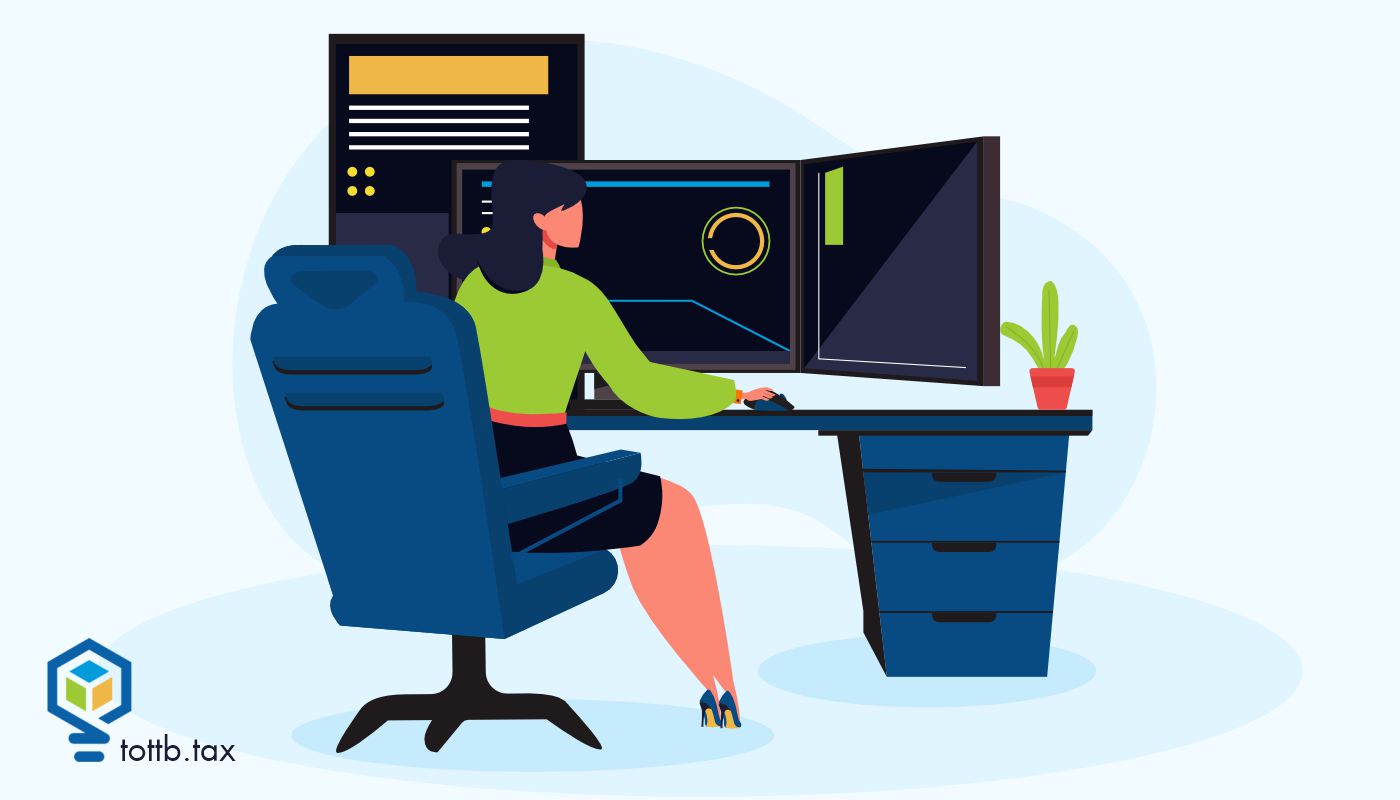

In every tax Facebook group or conference session, there's always that one pro excitedly talking about the latest app they've added to their "tech stack." But here's the dirty little secret: most of us aren't running integrated tech stacks. We're juggling a mix of disconnected tools that may or may not play nicely together. Let's stop pretending we're all building perfectly integrated ecosystems. What we really need is a tech portfolio—a curated collection of tools that serve our actual needs, reflect how we really work, and support the kind of client experience we want to deliver. A portfolio recognizes reality: tools don’t have to talk to each other perfectly. They just need to work for you. So let’s explore how to build a smart, efficient, and secure tech portfolio that helps you thrive whether you’re a solo professional or managing a growing team.

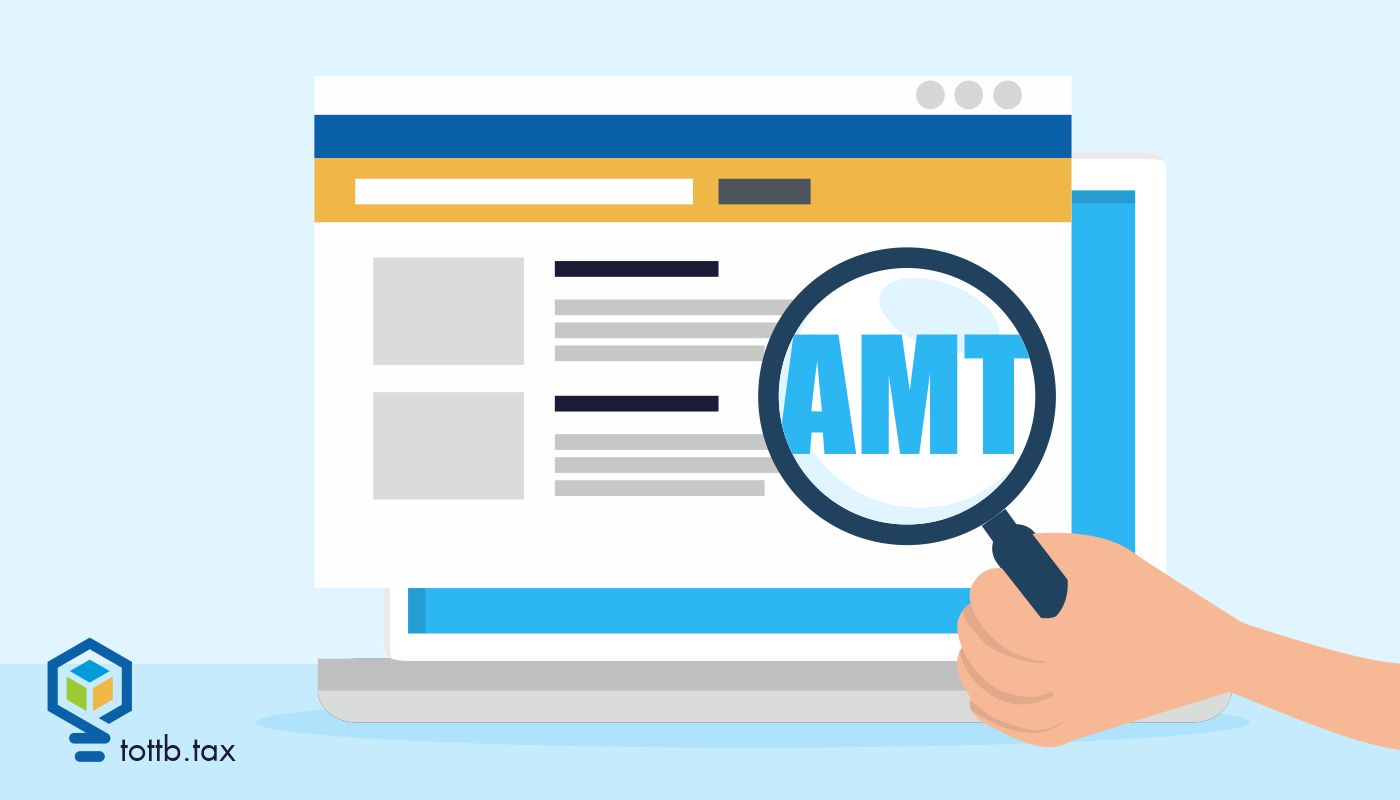
Will AMT Make a Comeback After OBBBA?
Following Betteridge’s Law of Headlines, the answer to the question posed in the headline is, “no.” Actually — because we’re talking about taxes here — we can say the answer is never so definitive, so let’s change it to “probably not.” But it’s more complicated than it may seem.