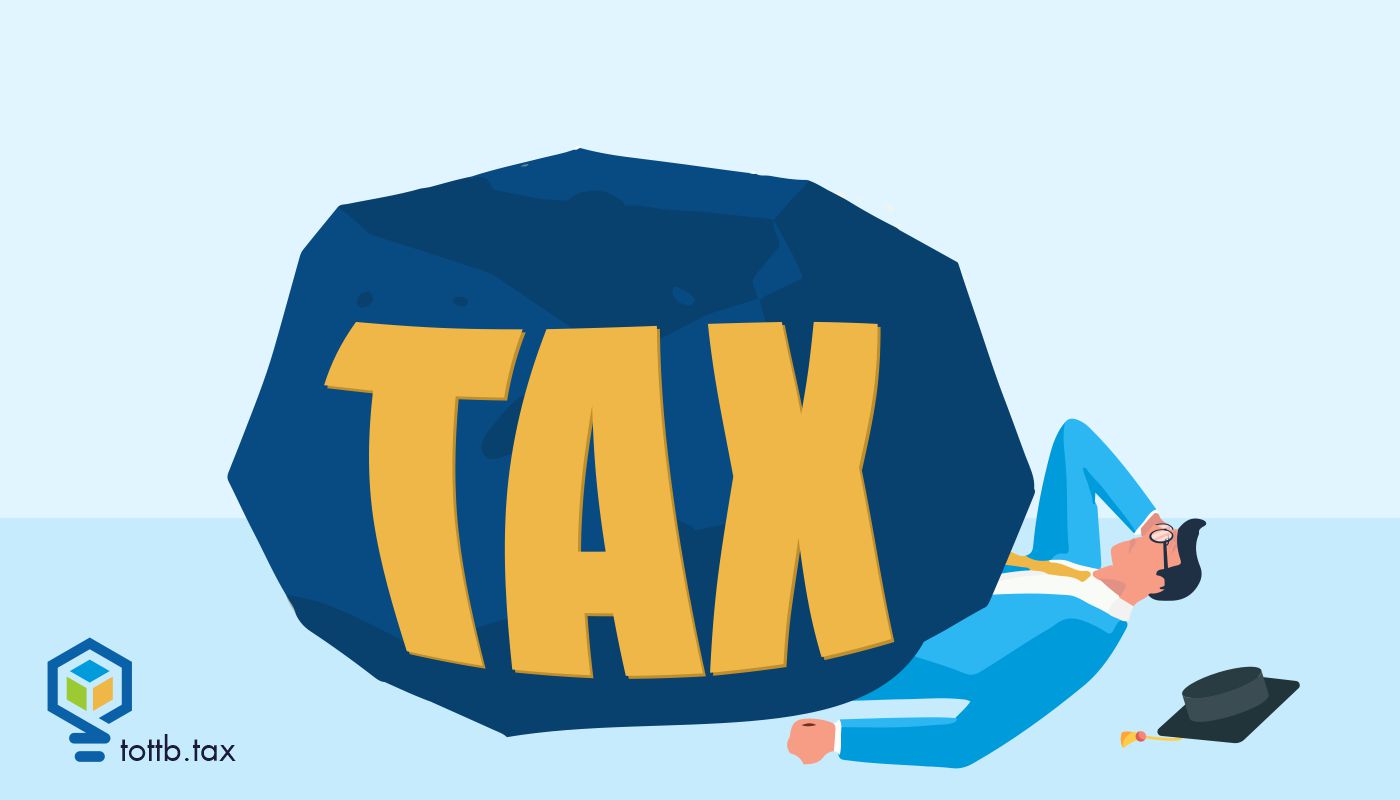


Jessica, a self-employed consultant, was thrilled when she found a viral TikTok video promising a “little-known” tax trick. The video claimed she could get a huge refund by claiming a special Fuel Tax Credit and even writing off her family’s beach vacation as a business expense. Following the advice, Jessica filed an amended tax return and waited eagerly for a windfall. A few months later, instead of a refund check, Jessica received a stern IRS notice. Her so-called credits were disallowed, her refund was denied, and she now faced penalties. Jessica isn’t alone. Every tax season, well-intentioned taxpayers get lured by false tax advice on social media, only to end up in trouble. As tax professionals, we often meet panicked clients like Jessica who need our help to untangle the mess.

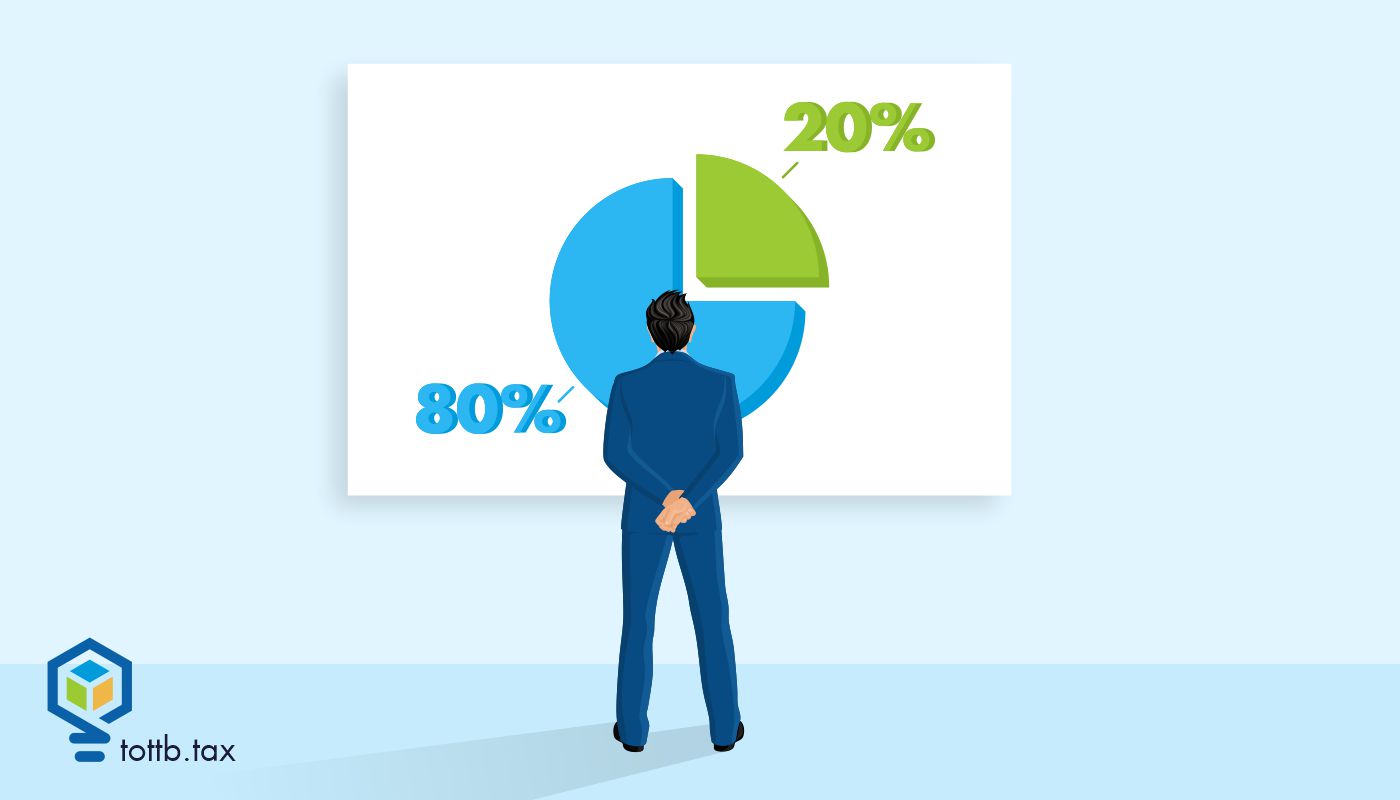
State Tax Planning with the “80/20 Company” Exclusion
Many multinational groups find that foreign-source dividends and other income earned by domestic affiliates are fully or partially subject to state income taxation, even where the federal system provides an exemption. This state-level “leakage” can be material – particularly in high-tax jurisdictions – and is often overlooked because the income appears sheltered at the federal level. For groups with predominantly foreign operations, a starting structure or a restructuring that causes one or more domestic affiliates to qualify as an “80/20 company” can substantially reduce or eliminate state taxation on that income.