
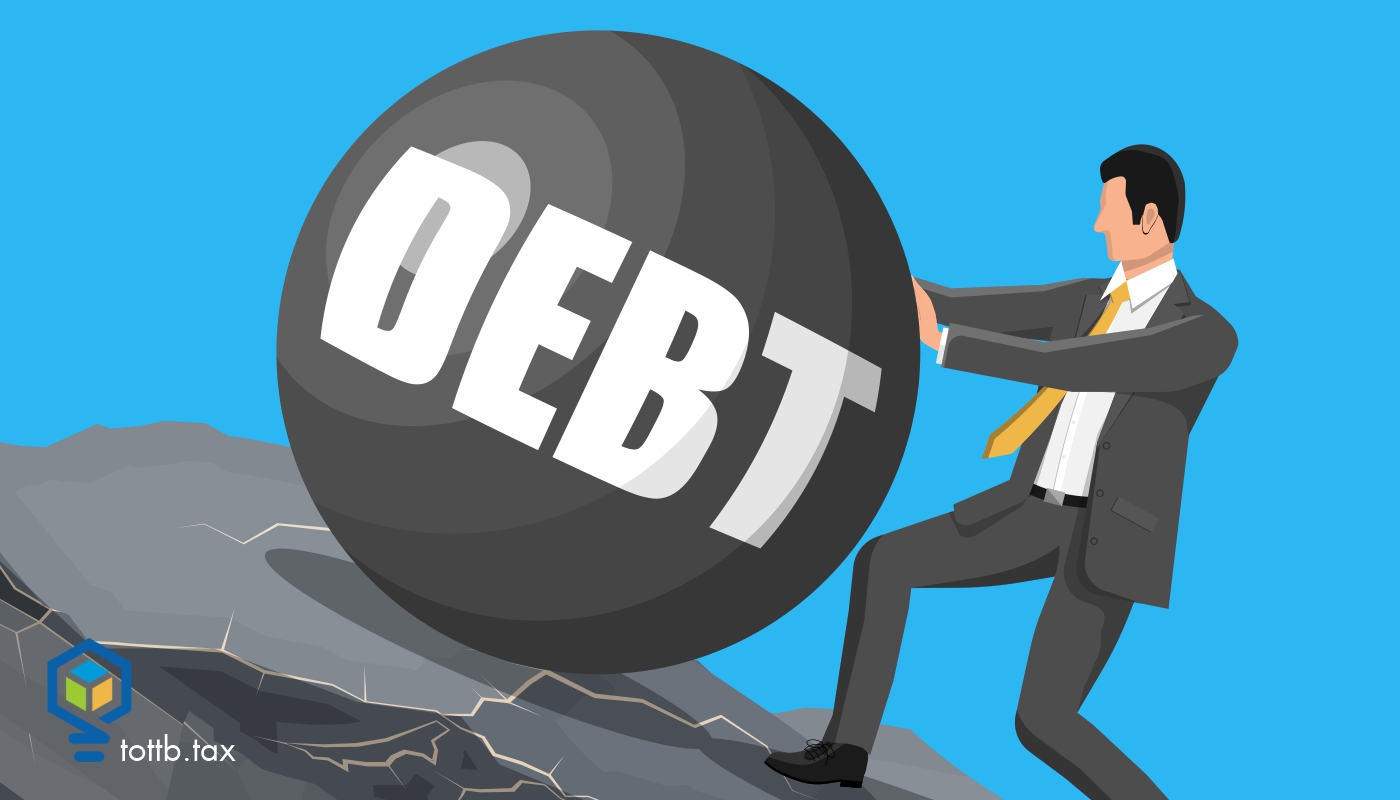

The only thing scarier than owing Uncle Sam a lot in taxes is being unable to pay the bill. Luckily, the Internal Revenue Service has ways for you to whittle what you owe. Just make sure which method works for you, depending on such factors as the size of your tax debt and what you can afford to pay and when. Don’t panic. Here’s how individual taxpayers can proceed – and what to watch out for.


The Tips Deduction and the Self-Employed: Potholes Everywhere
By now, tax professionals and taxpayers are familiar with the fact that the One Big Beautiful Bill (OBBBA) created a new tax deduction for tips received. What we want to look at in this article is — how do self-employed taxpayers handle this deduction?