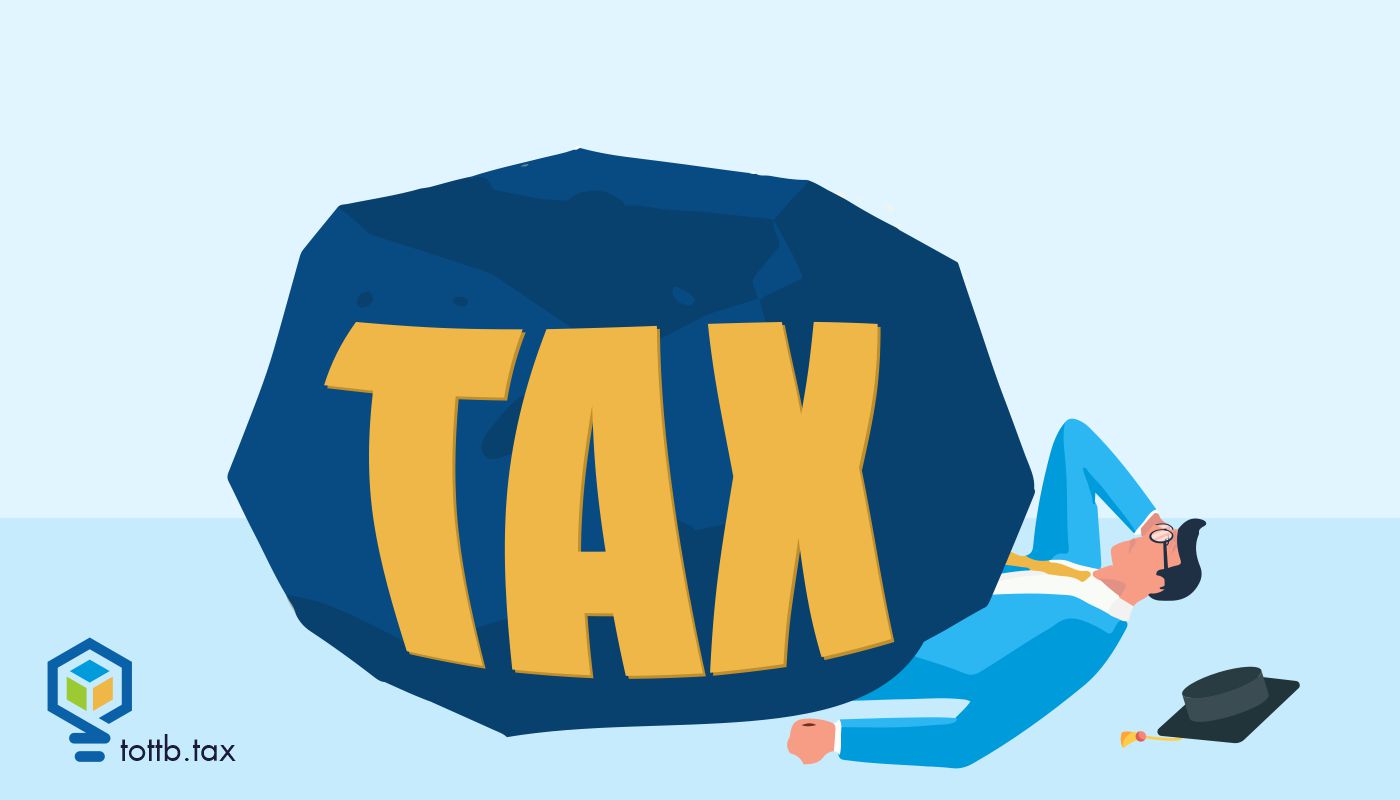

Remember the dreaded student loan “tax bomb?” For the past few years, it's been easy to forget about it. Thanks to a temporary federal tax exclusion enacted during the pandemic, borrowers who received student loan forgiveness between 2021 and 2025 generally didn't have to include that forgiven debt in their taxable income — leaving many borrowers (and their advisors) to wonder if the tax bomb would eventually disappear for good. Unfortunately, Congress allowed the temporary exclusion to expire. Beginning in 2026, forgiven student loan balances may once again be treated as taxable income. While that sounds like a major change, the reality is that most borrowers didn’t benefit from these tax-free years in the first place. For most borrowers, forgiveness is still years away, and there’s no crystal ball for what future federal policymakers may do. In the meantime, advisors may need to revisit planning conversations that many assumed were behind them. And depending on where a borrower lives, their federal tax bill may be only part of the story.

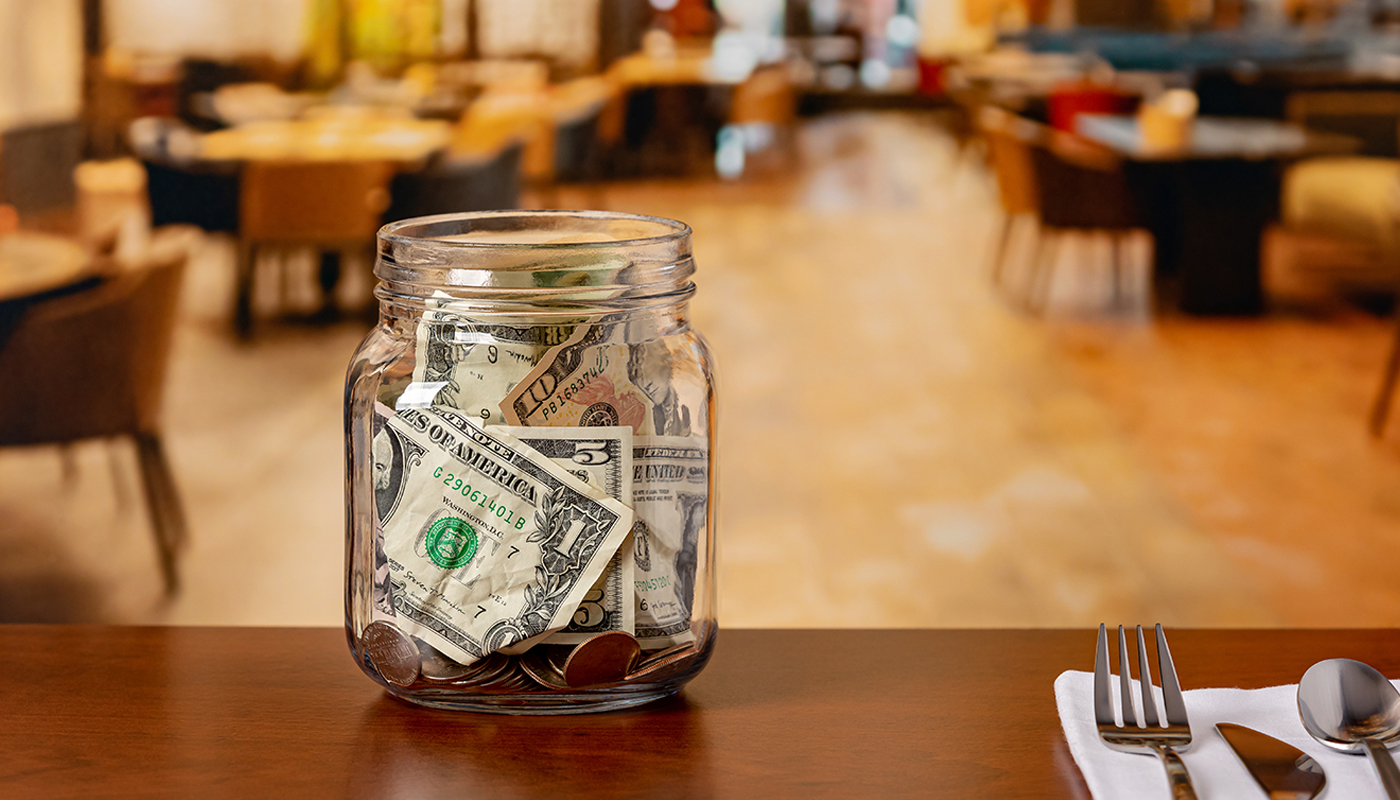
The Tips Deduction and the Self-Employed: Potholes Everywhere
By now, tax professionals and taxpayers are familiar with the fact that the One Big Beautiful Bill (OBBBA) created a new tax deduction for tips received. What we want to look at in this article is — how do self-employed taxpayers handle this deduction?