Individual Strategies Archives - Page 13 of 23 - Think Outside the Tax Box

Individual Strategies

By Jason Dinesen, CPA

2026 Changes to Form 2441 and Dependent Care Benefits

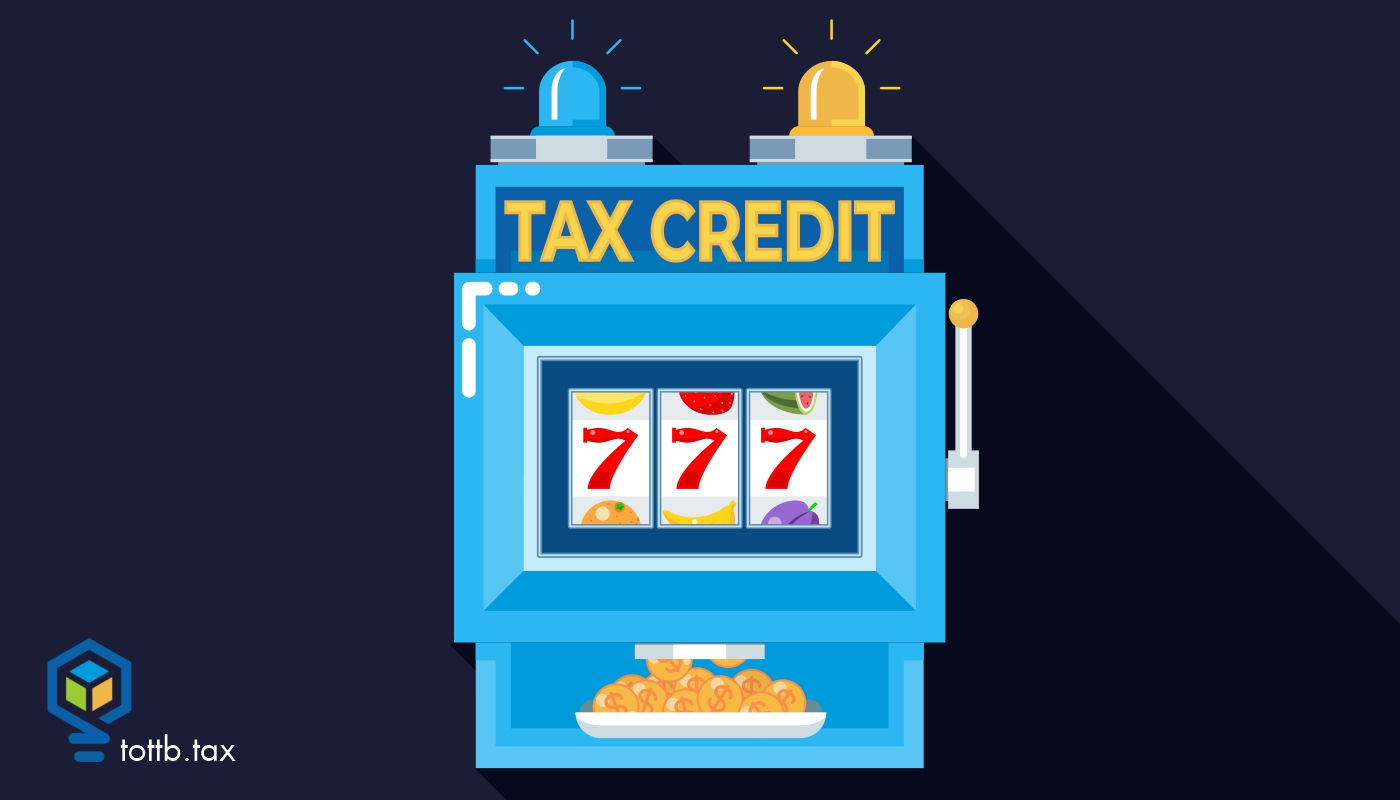
The credit for dependent-care expenses (such as daycare costs) has long been stuck at 20% for "average" taxpayers. It finally gets a permanent boost in 2026 (for returns filed in 2027). Also, the amount of money a taxpayer can put into a dependent care assistance program is increasing by $2,500 for 2026. This change presents a chance for taxpayers and tax pros to reevaluate which is better – claiming the credit or using a flex plan.

READ MORE

Retirement Tax Planning — Retirement Plans for the Sole Proprietor

Many of the same tax advantages perceived as being only available with entity taxation are also available to Schedule C sole proprietors and that includes funding retirement plans. It’s perfectly OK to start and continue to run a business as a sole proprietorship filing a Schedule C for when it makes financial and administrative sense to do so. There are a number of advantages to having a retirement account. Of course, when you contribute to a retirement account, you can deduct your contributions from your taxable income. This can result in significant savings come tax time. Additionally, the money in your retirement account grows tax-free. This means that you can potentially earn a lot more on your investment than you would if it were subject to taxation. A retirement account gives you the peace of mind that comes with knowing you have a cushion to fall back on in retirement. No matter what happens in the markets, you will always have access to your retirement savings. This can provide a great deal of security during uncertain economic times. While retirement accounts can be a great way to save for the future, there are also some potential drawbacks to consider. For one thing, retirement accounts often come with strict penalties for early withdrawal. This means that if you need to access your savings before retirement age, you may be subject to significant fees. Additionally, retirement accounts can be complex and confusing, making it difficult to keep track of your progress. While retirement accounts can be a helpful tool for saving, it’s important to be aware of the potential drawbacks before you decide as a sole proprietor whether or not to open one. Click here to explore the different types of retirement plans available to sole proprietors and the pros and cons of each.

Read More
Client Alert

Inflation Reduction Act Clean Vehicle Credit

Get $7,500 when you buy your Telsa with this new tax credit. President Biden signed the Inflation Reduction Act (IRA) on August 16th, 2022, and the misinformation started circulating almost immediately. I’ve seen it, you’ve seen it, and this means that our clients have seen it as well. It’s our job to help them navigate these new laws to help them maximize their tax savings. Taxpayers have been able to save on their taxes by buying an electronic vehicle (EV) since 2008 . So, the tax savings are nothing new. How the tax savings work has been completely revised under the IRA. That’s where you come in as an expert advisor. The maximum credit for all clean vehicles is now $7,500. A new credit was even added under the IRA to make used EVs eligible for a tax credit. But here is the thing, battery size no longer matters. The assembly, production, and taxpayer income does matter. Not understanding the changes made to Section 30D can cost you and your client. Your client can pay an unexpected additional $7,500 at tax time and you lose a client. Or you can stay the hero, saving them $7,500. I want you to stay the hero so let’s look at the qualifications for the $7,500 under the Inflation Reduction Act.

Read More

Fully Funding Your HSA

It's 4th quarter, soon taxpayers will be reaching out to their trusted advisors. They will want to see what they can do last minute to save on taxes. There isn't much you can do at the end of the year. Still, these taxpayers will reach out expecting you to wave a magic wand and save them a few thousand dollars. Well, this year you may be able to do just that. Even if they have already maxed out their retirement accounts. Taxpayers are not restricted from using this strategy by income or self-employment. Are you ready to add this triple tax advantaged savings tool to your bag of resources?

Read More
Client Alert

Is a Self-Directed Crypto IRA a Good Idea?

Self-directed IRAs (SDIRAs) have long been a vehicle for less traditional investments that can't be held in a normal IRA, such as precious metals, real estate, or tax liens. Cryptocurrency is the newest addition to that list of alternative retirement savings and has exponentially grown in popularity in recent years. The rules governing SDIRAs are complex, and taxpayers can easily and unknowingly violate the rules, resulting in the entire IRA being deemed distributed and potentially subject to tax. As the famous adage says, "with great [investment] power comes great responsibility." Keep reading to learn more!

Read More

How to Avoid Losing Valuable Noncash Charitable Contributions

The rules for noncash charitable contributions defy easy summary. On the other hand, they are not rocket surgery. Moving on from the humor, if you want to sum them up in a sentence you can use Reilly’s Seventh Law of Tax Planning: Read the instructions. Specifically, you want to read the instructions to Form 8283 Noncash Charitable Contributions. There is, of course, more to it than that, but you will find a remarkable number of disallowed deductions from not following those instructions. To be fair, sometimes there are other shenanigans going on and the instruction failures are the easiest way for the IRS to attack. Nonetheless, there is nothing to say that the IRS will not use the precedents set in those cases on your client even though they are not trying to get away with anything. To get a simplified list of what to know and implement, continue reading.

Read More

The Tax Lives of Performing Artists

Performing artists are everywhere. Whether you’re a fan or indifferent, they’re tough to ignore. They color our world with print, broadcast, and social media coverage. We have actors, musicians, newscasters, and podcasters performing live, streaming online, captured on film/radio/television, and just about everywhere in an expanding online universe. We celebrate their triumphs, empathize with their trials, feel shocked at their gaffes, and grieve for and with them. We may not think we have much in common with performers, but we do have one commonality: We’re all taxpayers! A performer’s life may seem glamorous, but it’s hard work and not always financially predictable. The tax lives of performers are complicated. They have income and expenses, but with many twists and peculiarities. Twists and peculiarities can make it both interesting and complex when navigating the Tax Code, but performing artists need tax reduction, too. Tony Nitti said, “It has to suck to make your living as an artist.” But paying taxes as an artist doesn’t have to suck when you have a great tax plan. To read more about the unique tax planning opportunities available to performing artists, continue reading.

Read More

What Is This Worth, Exactly? Determining Fair Market Value of Non-fungible Tokens for Charitable Schedule A Deductions

Value is in the eye of the beholder; or was that beauty? This is especially true for those infamous monkey portraits on the internet. Non-fungible tokens (NFTs) have exploded in popularity and can carry with them substantial tax consequences. Due to the volatile nature of the digital asset market and coupled with the lack of similar assets, it can be exceptionally difficult to determine the fair market value (FMV) of NFTs. Gift giving and donations can become much more complicated when NFTs are involved. New Fangled Technology For the noobs, an NFT is a type of cryptographic token that exists on a blockchain. As the name suggests, the tokens are not fungible, meaning each asset is unique and can't be interchanged for one another, the way that dollars or bitcoins can. Every NFT represents a unique asset with a unique value, however, determining what that value is can be quite difficult; The market for buying and selling NFTs can be extremely volatile. Some NFTs may quickly lose value or have no value at all. When a taxpayer donates an NFT to a qualified charitable organization as a way to reduce tax, the FMV is a required piece of information. To find out how to do this properly, keep reading.

Read More

Charitable Deduction Rules – No Excuses – Acknowledgements

There is a story I heard even before I started doing tax work when I was a hotel night auditor. It was about a guy named Joe who ran a luncheonette where he also sold newspapers and candy bars and the like. Joe’s Place was across the street from Our Lady of Perpetual Responsibility, a Catholic parish. Joe would see Father Mulcahey carrying a heavy bag every Monday morning. The good father was heading to the bank with the Sunday collection. One day Joe invited him in for a cup of coffee and proposed a win/win. Joe was always running out of change on Sundays. So how about if Father Mulcahey has the ushers count the coins and bring them over, Joe would write a check for the coins, and the father will just have Joe’s check to bring to the bank on Monday? Then, Joe would deduct the check written to the church as a charitable deduction. It was a great plan and it worked well for several years until the IRS audited Joe and a skeptical IRS agent called on Father Mulcahey about Joe apparently being Our Lady’s biggest donor. After all, he had the canceled checks. So if a canceled check to church on Sunday won’t work to document your charitable deduction, what will? Keep reading to find out!

Read More
1 11 12 13 14 15 20
  • NOT A MEMBER YET?

    SUBSCRIBE TO GET ALL OF OUR
    GREAT ARTICLES AND RESOURCES!

  • Scroll to Top

    turn new laws into new opportunities download our FREE ebook


    Download Our FREE Magazine!

    Download Our FREE Magazine!

    Thank you for subscribing to Tax Law Pro

    You are granted a non-exclusive, non-transferable, revocable license to access and use Tax Law Pro by Think Outside the Tax Box, Inc., strictly according to these terms of use.