


At Around the Tax World, you can find out all about what’s going on in the wonderful, worldwide world of tax. Every month, we’ll feature a few mini-articles on what’s been going on in the world when it comes to tax, and fully available for viewing even if you don’t have a subscription.
If you wish to subscribe and gain access to all articles on the site, be sure to check out the benefits of doing so here!
Check out what’s happening all around the world of tax!
In The Headlines
- Has Visa created a monopoly in the debit card market? The U.S. Department of Justice says it has. The DOJ recently filed a lawsuit against the credit card company, stating that Visa actively blocked its competitors from introducing lower-priced debit products. The lawsuit also alleges that Visa pressures banks and merchants to penalize businesses that use non-Visa payment systems. The result? Higher costs for both consumers and businesses. Visa currently facilitates 60% of all debit transactions in the U.S. and earns around $7 billion a year from processing fees. Given its dominance, the DOJ argues that Visa is charging higher fees than it would in a competitive market. Visa also faced opposition from the Justice Department in 2020 when enforcers prevented the company from purchasing payment provider Plaid in order to protect competition.
- Meta’s AI chatbots can now sound like your favorite celebrity. CEO Mark Zuckerberg recently announced an array of updates to the company’s AI offerings, including the option to use a famous voice for your AI assistant on Facebook, Instagram, and WhatsApp. Celebrities such as Awkwafina, Kristen Bell, John Cena, Judi Dench, and Keegan-Michael Key have already signed on. This is Meta’s second go-round offering a celebrity voice feature. The last attempt was discontinued in less than a year and included Tom Brady, Snoop Dogg, and Kendall Jenner among its celebrity voices. Meta’s chatbot can now also identify objects in photos and edit photos. These new features will first be available in the U.S., Canada, Australia, and New Zealand.
- PayPal takes its next step into the realm of cryptocurrency. U.S. merchants can now use their PayPal business accounts to buy, hold, and sell virtual coins. Since 2020, the financial technology company has allowed customers to buy, sell, and hold cryptocurrency using its online wallets. PayPal further embraced virtual currency last year when it launched its dollar-backed stablecoin—a type of cryptocurrency where the value is pegged to a stable asset like paper money, gold, or exchange-traded commodities. Cryptocurrency has been gaining increasing acceptance since the SEC approved a listing for bitcoin exchange traded funds earlier this year.
What's New In The Tax World?
The presidential tax policy face-off continues: Harris turns her attention to manufacturing tax breaks while Trump continues his emphasis on tariffs
Presidential hopefuls Vice President Kamala Harris and former president Donald Trump continue to release details on their tax policies as the election looms about a month away. Adding to her efforts to engage business owners, Harris recently announced a plan to offer tax credits to U.S.-based manufacturers, particularly in key industries such as aerospace, artificial intelligence, bio-manufacturing, clean energy, and quantum computing and blockchain. The tax credits would encourage manufacturers to retool or rebuild their factories and add to the number of available jobs and registered apprenticeships in these sectors. Harris also mentioned tax incentives for companies that add “union jobs” in the iron, steel, and coal industries.
Harris has pitched these and other tax breaks as part of a platform focused on strengthening the middle class. Republican candidate Donald Trump has similarly emphasized the economy throughout his campaign, which polling suggests is voters’ top concern. Trump’s primary proposal centers on tariffs—using taxes on foreign imports to generate more revenue for the U.S. The former president is suggesting a 10% tariff across the board for all foreign-made goods, a stance that has garnered support from about 56% of registered voters.
While the candidates agree that the economy is a priority, Harris has focused more on tax breaks for new small businesses and higher taxes on mega corporations and wealthy individuals. Her initiative would amp up the small business tax deduction to $50,000 for start-up costs—a tenfold increase from the current threshold of $5,000. Harris’ proposal would also raise the corporate tax rate to 28%. Based on her historical alignment with Biden’s stances, she would likely increase the top income tax rate to 39.6% and introduce a new 25% minimum tax on taxpayers who are worth $100 million or more—often referred to as a “billionaire’s tax.”
Trump has primarily focused his platform on renewing the provisions from his 2017 Tax Cuts and Jobs Act and lowering the corporate tax rate to 20%. He would also end taxes on overtime pay, Social Security, and tips—the last of which Harris also supports.
State-By-State Updates
- Louisiana may see an automatic income tax cut in 2026. The state’s laws mandate a personal income tax decrease if Louisiana’s revenue and savings account balance reach certain levels as of June 30, 2024. Calculations will not be finalized until December, but estimates say that most of the triggers have likely been met. Taxpayers may be tempted to rejoice, but many officials are concerned about the impact these tax cuts will have on the state’s current budget crisis. Louisiana’s budget deficit for the next fiscal year could rise as high as $200 million if income tax revenue drops, bringing the total deficit to $787 million next year. The crisis has already led to talks about cutting funding for higher education, disability services, and pay for public school teachers. Governor Jeff Landry has proposed holding a special legislative session in November to prevent the automatic income tax cuts from taking place.
- A Massachusetts mayor goes to bat on a major property tax rehaul plan. Boston mayor Michelle Wu is attempting to get ahead of impending problems caused by a steep dip in property values for city office buildings as remote work becomes increasingly popular. Under current tax law, this shift could cause property taxes to spike by as much as 33% for homeowners starting in 2025. In response, Wu has proposed higher taxes for commercial properties—which would require the state legislature’s approval. Massachusetts state law currently limits how much cities can change their residential and commercial property tax rates. Wu’s proposal was passed by the House, but the Senate has yet to vote on it. The mayor is continuing to meet with state senators in an attempt to get the measure back on the table.
- Michigan lawmakers are giving data centers a tax break—and environmental advocates are pushing back. The new bill creates a use tax exemption for data centers’ equipment. Half of Democrats and the majority of Republican representatives supported the bill with the aim of keeping data centers and related companies in-state. However, the physical data warehouses needed to store computer servers require massive amounts of energy and water—a level that is expected to increase with the rise of AI. Some have expressed concern that average taxpayers will end up paying more on their utility bills as a result. Others have predicted that the tax break will prevent Michigan from reaching its goal of setting a 100% clean energy standard by 2040. The new bill encourages data centers to utilize renewable power sources but does not require it.
- Pennsylvania homeowners may have multiple options for preventing their property tax bills from rising. The city of Philadelphia’s Homestead Exemption allows taxpayers who own their homes to reduce the assessed value of their property by $100,000. This will save the average homeowner about $1,399 on next year’s tax bill. Homeowners with a mortgage or unpaid taxes can still apply for the exemption. Taxpayers should submit their application by December 1st to be eligible for the exemption to count for the following year. Low-income Philadelphia residents can also sign up for the Low-income Real Estate Tax Freeze. Taxpayers who earn less than $33,500 per year (or $41,500 for a married couple) can apply until January 31st. Eligible Philadelphia residents are allowed to combine the Low-income Real Estate Tax Freeze with the Homestead Exemption.
Tax Planning Tips
Tax-sheltered savings accounts can provide a simple way to build wealth. Recent surveys revealed that a significant percentage of Americans have nothing saved for retirement. A 2024 GOBankingRates survey found that 28% of people have $0 saved for retirement, and 39% aren’t contributing to a retirement fund. Similarly, an AARP survey found that 20% of adults ages 50 and over have no retirement savings. Many taxpayers do not realize that allocating money toward retirement accounts now can be the best way to optimize your savings by using tax-free or tax-deferred accounts.
Taxpayers can opt into traditional individual retirement accounts (IRAs), Roth IRAs, 401(k) plans, health savings accounts (HSAs), and 529 college savings plans to receive different types of tax benefits. Contributing to a traditional IRA can help lower your taxable income for the year. Account holders do not have to pay taxes on any investment growth until they withdraw the funds during retirement. 401(k) plans are similar in allowing employees to contribute up to $23,000 from their salary (the 2024 cap) to the account pre-tax, but the funds are taxed when they are withdrawn. Taxpayers looking for tax-free withdrawals can set up a Roth IRA instead—contributions are taxed in advance, so retirees don’t have to deal with taxation. Lastly, HSAs and 529 plans both allow taxpayers to save for the future, whether for medical expenses or education costs. Withdrawals for qualified expenses are tax-free.
New year, new tax brackets: What to expect in 2025. The IRS will soon be releasing the 2025 income tax brackets, which are adjusted annually. Experts are predicting that many Americans may see lower federal income taxes due to ongoing inflation and high costs of living. According to Bloomberg Tax, tax brackets will likely be set 2.8% higher, meaning that taxpayers will have to earn more income before they’ll get hit with a higher income tax rate. This would be a much lower bump than the past two years: the IRS raised tax brackets by 5.4% in 2024 and by 7.1% in 2023.
Barring new legislation, the actual individual tax rates will remain the same. Federal taxes span seven brackets depending on income level: 10%, 12%, 22%, 24%, 32%, 35%, and 37%. However, the standard deduction will likely also increase by 2.8% for 2025. This represents the amount taxpayers can deduct from their income before taxation—currently at $14,600 for single taxpayers, $21,900 for heads of household, and $29,200 for married couples. Though these tax brackets will not go into effect until 2025, estimating future tax brackets can help you with more precise tax planning today.
NOT A Subscriber YET?
SUBSCRIBE TO GET ALL OF OUR
GREAT ARTICLES AND RESOURCES!
CURRENT EDITION

When Your Client’s World Is Bigger Than the U.S.
A lot of client meetings still start with the same assumptions: W-2 in a U.S. state, mortgage nearby, a 401(k), maybe some RSUs, and a college-savings plan. Yet many of those “simple” clients now own an apartment in another country, freelance for a foreign company, or have parents wiring money from overseas. The tax code does not see those details as background color; it treats them as organizing facts. This is where citizenship, residency, and domicile quietly step onto center stage. For planners, the challenge is not memorizing every cross-border rule. It is knowing when a client is no longer “just domestic” and shifting your planning framework before you stumble into penalties, double taxation, or blown opportunities.
Are You Committing Filing Status Malpractice?
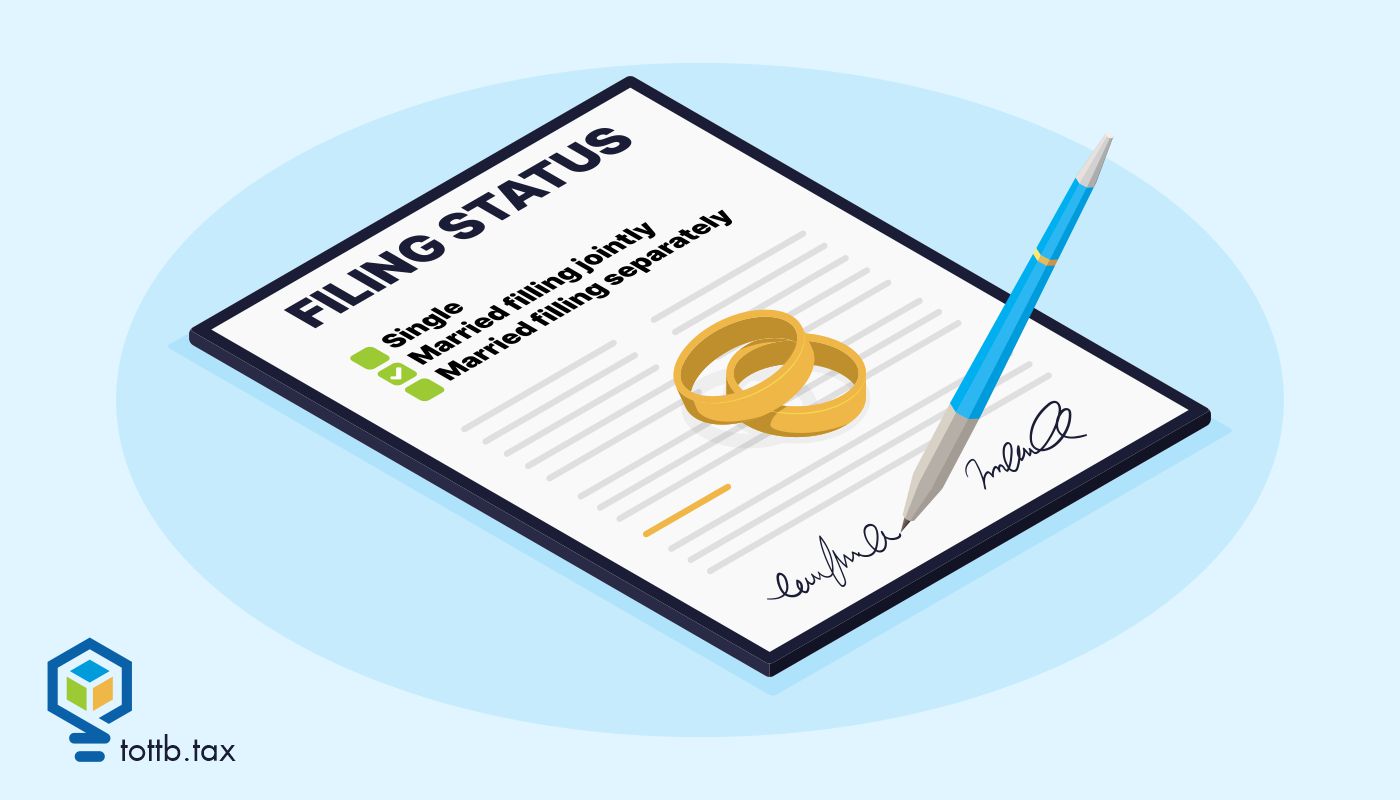
Consider this article your periodic reminder that, for married taxpayers, filing jointly is an election and not the default (and certainly not the only) filing status option. It is important in a busy practice to remember to offer this option to clients who may benefit from filing separately, even if they don’t ask.
Syndicated Easements: Fresh IRS Offer and the Perils of Post-BBA Gamesmanship
The IRS has issued a statement about a new settlement offer that is going out for conservation and historic preservation easement disputes. It is similar to previous offers, but there is one big difference. The partnership will not have to make a payment at the time that it accepts the offer. Other than that, it is similar to the deal offered in 2020. Taxpayers get to deduct what they are out-of-pocket as an ordinary deduction and are subject to a 10% penalty. In general, the out-of-pocket donation might be around 20% to 25% of the claimed charitable deduction. The Tax Court, on average, has been allowing 6%, although results vary. There is usually a 40% penalty in the decided cases.

Subscribe to view full, in-depth articles
Lorem ipsum dolor sit amet, consectetur adipiscing elit. Ut elit tellus, luctus nec ullamcorper mattis, pulvinar dapibus leo.
