


Setting up a partnership is a lot like getting married. It's exciting, full of promise, and if you do it right, it can be incredibly rewarding. Do it wrong, and you're setting yourself up for years of headaches and potentially significant financial loss. The decisions you make at the formation stage of your partnership will impact your tax situation for years to come, and in some cases, these decisions can be difficult or costly to undo later. In this article, we'll explore the critical steps in setting up a partnership and the tax implications of various contribution strategies. You'll learn how to establish a foundation that maximizes tax advantages from day one.

State Tax Planning with the “80/20 Company” Exclusion
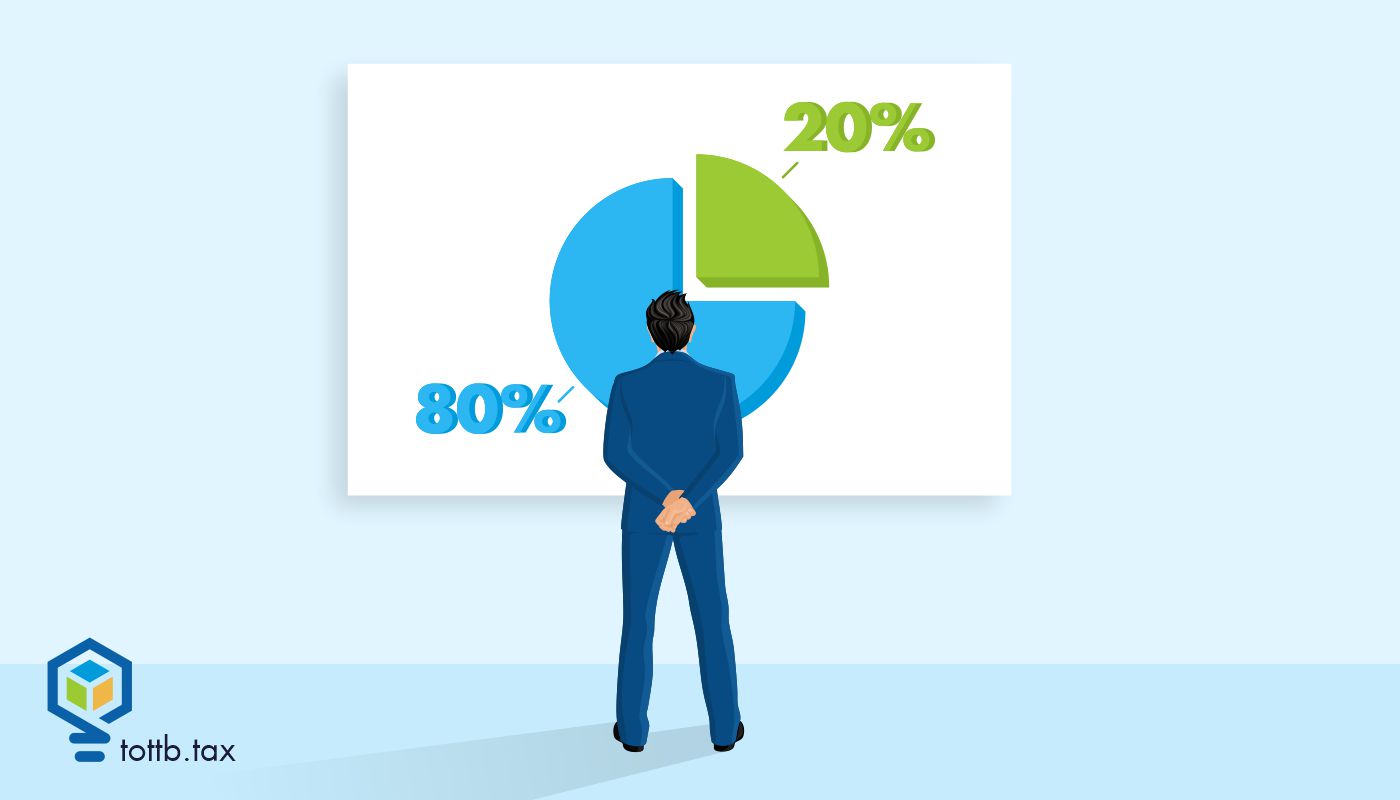
Many multinational groups find that foreign-source dividends and other income earned by domestic affiliates are fully or partially subject to state income taxation, even where the federal system provides an exemption. This state-level “leakage” can be material – particularly in high-tax jurisdictions – and is often overlooked because the income appears sheltered at the federal level. For groups with predominantly foreign operations, a starting structure or a restructuring that causes one or more domestic affiliates to qualify as an “80/20 company” can substantially reduce or eliminate state taxation on that income.