

Tax Breaks for Farmers: Sowing Seeds of Savings!
Ahoy, land-lovers and cultivators of the earth! If you're a farmer, you're not just a master of the soil, but also a potential wizard of tax savings. Let's embark on a journey to understand how you can reduce that pesky tax bill and keep more of your hard-earned green (and we're not just talking about lettuce)! Farms may be considered a business. You are considered a farm if you cultivate, operate, or manage a farm for profit, either as owner or tenant. A farm includes livestock, dairy, poultry, fish, fruit, and truck farms. Farmers under the Internal Revenue Code qualify for special tax benefits, yet not all agricultural producers meet the requirements. In addition to what you are growing, producing, raising, selling or extracting, it is also necessary to examine the facts and circumstances of the applicable tax issue to fully determine whether each tax benefit applies to each situation. For example a business could be split into a farm (reported on Schedule F) and a non-farm (reported on Schedule C unless incorporated). Take the example of a vineyard and a winery. The production of the grapes is a farm and reported on Schedule F. But lo and behold! When the grapes transform into something else, the sale of wine, juice or preserves would be considered non-farm and reported on Schedule C. There are many special tax benefits allowed for those who meet the definition of a farmer. It may be advantageous to consider adding a farm as part of a larger tax strategy; however, just like any business, the hobby loss rules apply. Someone not classified as a farmer may still be engaged in farming activities and have farm income. Some of the best benefits include deferred timing of recognizing farm income, not being required to maintain inventory and not being required to make quarterly estimated tax payments. To learn about these and other tax breaks for farmers, click here to continue reading.
Read More
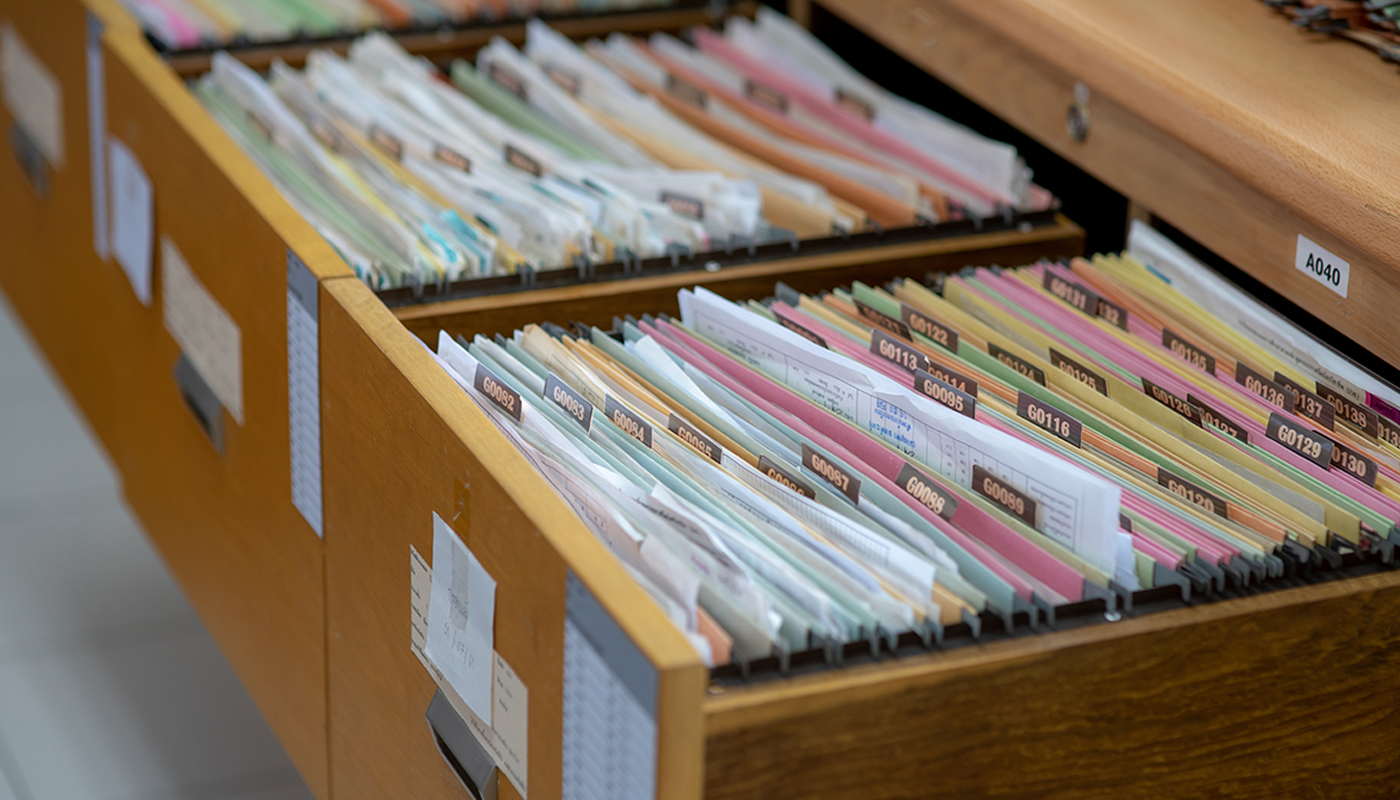
Assessment Statutes and Document Retention Best Practices
When it comes to document retention, my guiding policy is “If I don’t keep it, it can’t be stolen or subpoenaed.” That sounds cynical, but there’s truth in it. The smaller your data “surface area,” the less you have to manage in the event of a data breach (or, if you hold paper documents, in the event of a fire or break in). And, if a client or former client gets really sideways in divorce or criminal court, being able to say “I have a policy in place and I don’t keep records longer than three years” can provide you with a measure of peace. But what should your policy be? It depends, but relevant assessment statutes are a good place to start. This article reviews the IRS rules for assessing tax and provides some best practices for developing document retention policies for return preparation documents in your practice.

The “Busy Season” Myth: Why Accountants Stay Stuck Waiting for Time That Never Comes
If you’re a CPA, you’ve heard it a thousand times. People outside the industry say it like it’s a weather report: “How was busy season?” Firm owners say it to each other, as if it’s a shared badge of honor: “Just get through April 15.” Then it becomes, “After extensions.” Then, “After we rehire.” And after every “busy season,” there’s the crash. The weeks of 60–70 hours. The nights. The lost family time. The feeling that life is on hold until the deadline passes. Here’s the problem: tax deadlines don’t end—they shift. March 15. April 15. September 15. October 15. Year-end planning. 1099s in January. Treating the calendar like the boss means building firms stuck in constant reaction. The truth is, “busy season” isn’t a season. It’s a mindset. And it’s one of the most expensive mindsets we’ve normalized in public accounting.

The Tips Deduction and the Self-Employed: Potholes Everywhere
By now, tax professionals and taxpayers are familiar with the fact that the One Big Beautiful Bill (OBBBA) created a new tax deduction for tips received. What we want to look at in this article is — how do self-employed taxpayers handle this deduction?