


The Tax Professional Self-Care 10 Commandments
Every Spring there is some point in the tax season that I have to remind myself why I chose to become a tax professional. I am often comforted to find out that I am not the only person questioning my career decision. Tax pros nationwide share on social media that they are thinking the same thing. So let me ask you. Why did you choose to do this to yourself again? You promised yourself to fire problem clients and improve systems. Yet we’re here in March, how did you do with keeping your promise to yourself? My first busy season Thomas Reuters released a video that I found funny, at one of their tax conferences. There are children that talk about why they want to be a tax accountant. A few reasons they give are: • To work 22-hour days; • To work with numbers that are changing all the time; • Having lots of turnover with burned out employees. My personal favorite is to have 3 people do the work of 8. In hindsight it almost sounds like they were describing the tax industry during 2020 and 2021. When I first watched the video, it was hilarious. But 12 years later I still smirk, but for different reasons. I can totally relate to the sarcasm. Nobody goes into this industry for those reasons yet here we are each Spring on the verge of burnout. Did you think of your why? I want you to write it really big and post it somewhere that you will see it every day when you are working at your desk. I want to share with you 10 things that you can implement to protect you and your why. I like to call them the Tax Professional Self-care 10 Commandments.
Read More

Reassessing R&D Structures After the Section 174 Changes
Recent changes to the tax treatment of research and experimental (“R&E”) expenditures may warrant a fresh look at existing intellectual property (“IP”) and research and development (“R&D”) structures. This article examines whether taxpayers should revisit decisions regarding the location of R&D activities, IP ownership, contract R&D arrangements, and related transfer pricing policies in light of the evolving legislative landscape, and how the interaction of Sections 174, 168(k), 59(e), and 163(j) can be used to calibrate a tax-efficient result.
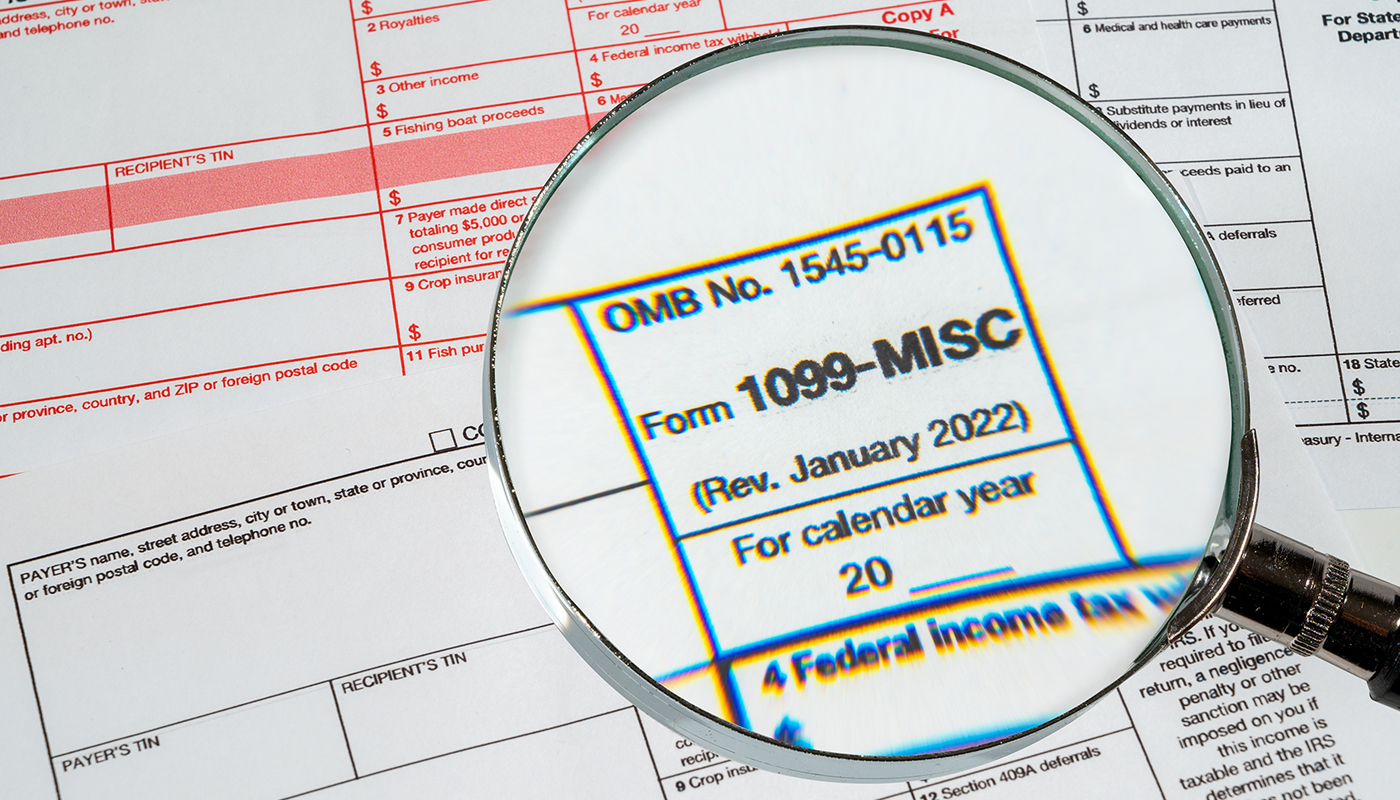
Form 1099 Reporting Thresholds Have Changed
The Form 1099 reporting thresholds have changed from the old, familiar $600 amount to $2,000 for 2026. But because nothing is ever easy or straightforward, the threshold hasn’t changed for “all” transactions that might end up on a 1099, particularly with Form 1099-MISC.

What Do You Ask Indie Game Developers at Tax Interviews?
When you take on a new client, the tax interview is one of the most crucial elements of ensuring that their tax documents are prepared correctly. Both individual and business clients should provide you with a road map for their current tax situation, what they expect it to look like in the near future, and how your tax planning and preparation skills will help them with their business or financial goals. To focus specifically on business clients, questionnaires that the client fills out beforehand can efficiently cut down on facetime. This allows you more time to ask focused questions and learn about your client’s business needs and environment. But if your client is a game developer, specifically an indie game developer, there’s some nuanced questions you should ask in person or as an addendum to your questionnaire after you’ve read about the basics of doing business with game developers.