

Passive Activity and Self-Employment Tax In Rentals – One Of These Definitions Is Not Like The Other
Somebody I consult for threw a kind of oddball fact pattern at me. Their client, “Terry,” owns a big house with many rooms in a kind of resort type area. Terry rents the rooms out on a short-term basis averaging three or four days and provides no other services. Between this and that, Terry ends up spending about 15 hours a week. The big concern comes from Terry buying a cost segregation study, which will mean a big loss. Can Terry use the loss in the year incurred, or will it be suspended? And is the income subject to self-employment tax in the future? I thought the answers to those questions were the same, but we learned from the Chief Counsel’s Office, one of those things is not like the other.
Read More
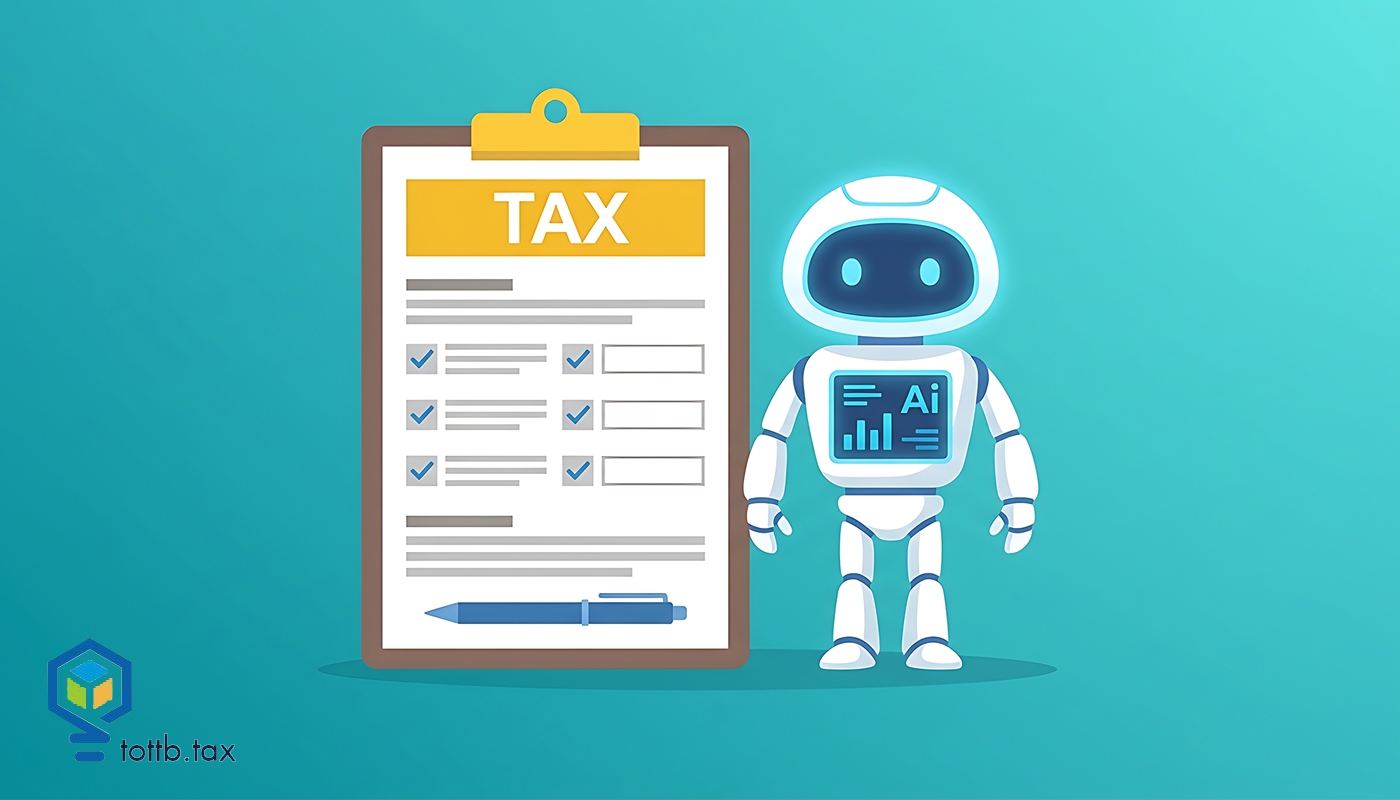
Tax Research in an AI World
It has never been harder to do quality tax research than at any time in my 43-year career in tax accounting. In the 1980s, when I was part-time in the industry, there was no internet. Since I was part-time, I ordered Publications 1132, 17, and 334. The rest I found at the library. A few hearty souls might even remember when the post office had stacks of tax forms for the public. Once I went full-time for the 1989 tax season I needed more resources. CCH was my tool of choice. I still used IRS publications and the library. My handy reference guide of choice was, and still is, the QuickFinder. I never used TaxBook much, but it is another good resource for general answers. Then came the internet. The promise was that we would have the world at our fingertips. And for the large part we did, only we forgot some things we would rather keep at an arm’s length. The internet slowly allowed us to replace rooms in our office filled with tax guides and forms with online resources. Law offices and accounting firms often wrote tax articles on narrow tax subjects. Research was easier than ever.
Then came AI.

Trump Accounts Are Live. Are They Spectacular?
Trump Accounts (or § 530A accounts) went live via app on July 4, 2026. According to the Treasury Department, over six million accounts have been opened. As of Monday, July 6, 2026, parents and guardians of account beneficiaries could use the app to view their children’s accounts, fund the accounts, and access balances and financial education information. The Treasury Department designated BNY Mellon “as a financial agent of the U.S. government to support implementation of the new Trump Accounts program.” BNY, in partnership with Treasury, will manage the accounts and help to develop the app taxpayers can use to manage their accounts. Robinhood Securities, LLC is acting as the initial trustee and brokerage for the accounts.
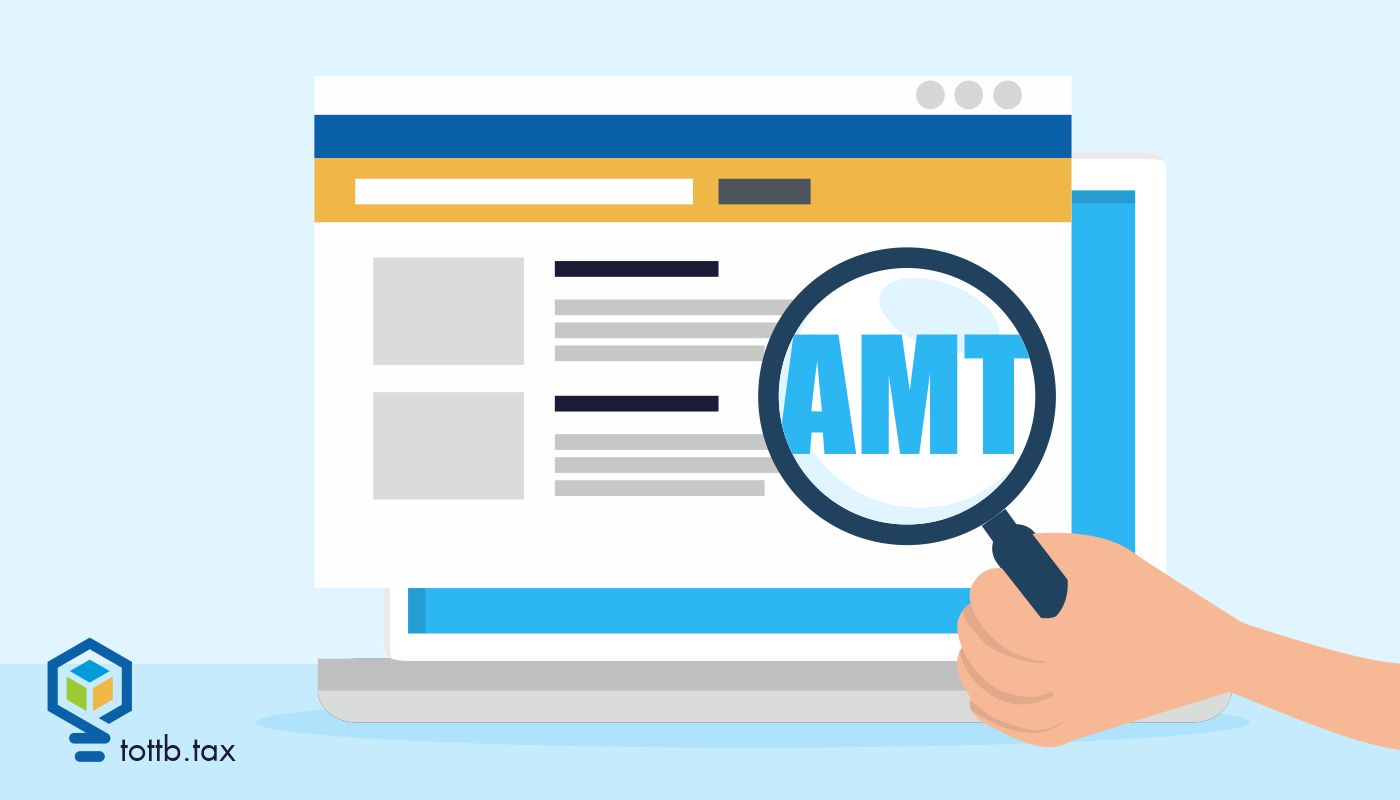
Will AMT Make a Comeback After OBBBA?
Following Betteridge’s Law of Headlines, the answer to the question posed in the headline is, “no.” Actually — because we’re talking about taxes here — we can say the answer is never so definitive, so let’s change it to “probably not.” But it’s more complicated than it may seem.