


TAX COURT ROUNDUP – APRIL 2024
Tax Court concludes tax season this year with a webinar on Practical Perspectives on Discovery, chaired by Judge Greaves, on April 16, 11:00 a.m. Eastern. With all the discovery jousting accompanying conservation easements and other high-dollar litigation, this is a must for all practitioners, so I'm headlining it. Information and registration on the Tax Court website.
Read More
Assessment Statutes and Document Retention Best Practices
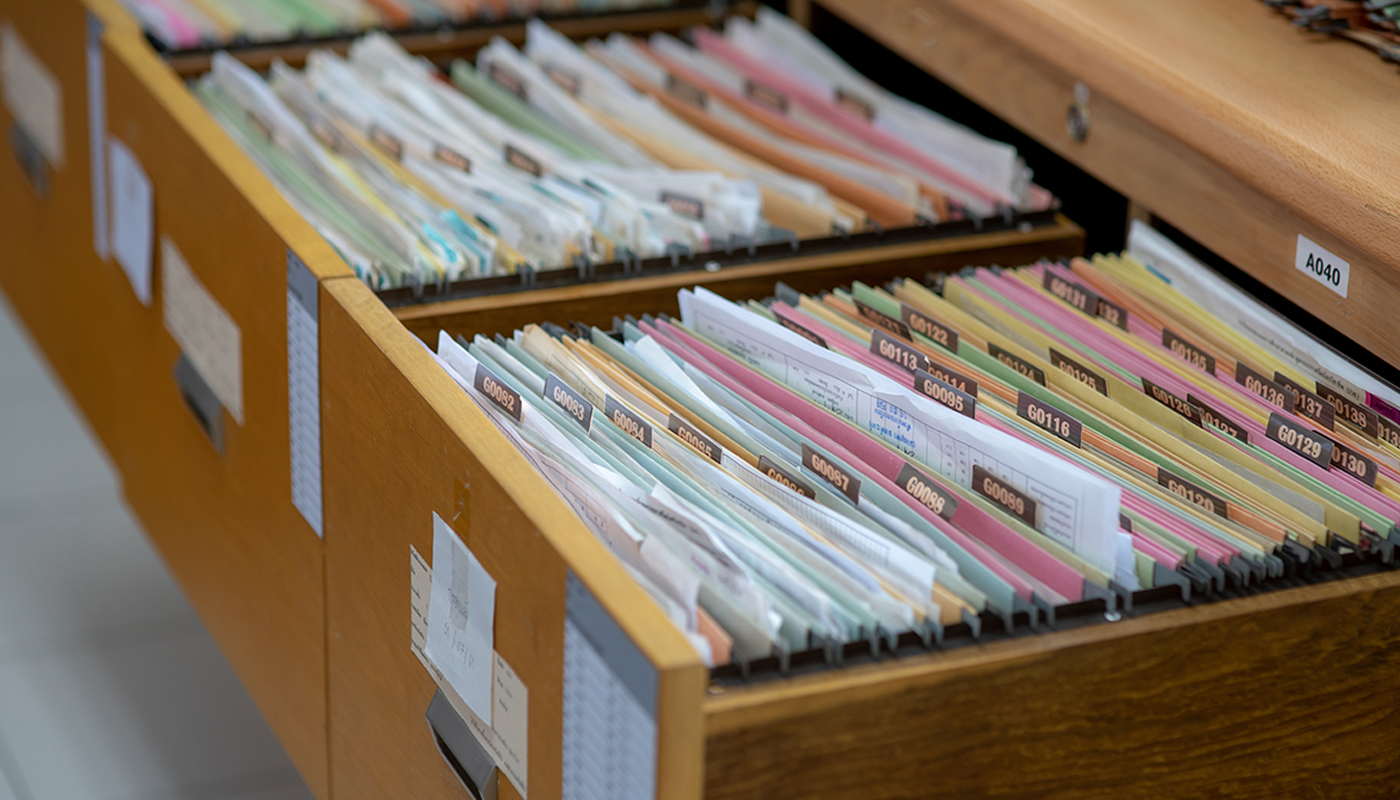
When it comes to document retention, my guiding policy is “If I don’t keep it, it can’t be stolen or subpoenaed.” That sounds cynical, but there’s truth in it. The smaller your data “surface area,” the less you have to manage in the event of a data breach (or, if you hold paper documents, in the event of a fire or break in). And, if a client or former client gets really sideways in divorce or criminal court, being able to say “I have a policy in place and I don’t keep records longer than three years” can provide you with a measure of peace. But what should your policy be? It depends, but relevant assessment statutes are a good place to start. This article reviews the IRS rules for assessing tax and provides some best practices for developing document retention policies for return preparation documents in your practice.

The “Busy Season” Myth: Why Accountants Stay Stuck Waiting for Time That Never Comes
If you’re a CPA, you’ve heard it a thousand times. People outside the industry say it like it’s a weather report: “How was busy season?” Firm owners say it to each other, as if it’s a shared badge of honor: “Just get through April 15.” Then it becomes, “After extensions.” Then, “After we rehire.” And after every “busy season,” there’s the crash. The weeks of 60–70 hours. The nights. The lost family time. The feeling that life is on hold until the deadline passes. Here’s the problem: tax deadlines don’t end—they shift. March 15. April 15. September 15. October 15. Year-end planning. 1099s in January. Treating the calendar like the boss means building firms stuck in constant reaction. The truth is, “busy season” isn’t a season. It’s a mindset. And it’s one of the most expensive mindsets we’ve normalized in public accounting.

The Tips Deduction and the Self-Employed: Potholes Everywhere
By now, tax professionals and taxpayers are familiar with the fact that the One Big Beautiful Bill (OBBBA) created a new tax deduction for tips received. What we want to look at in this article is — how do self-employed taxpayers handle this deduction?