
S Corporation Shareholder-Employee Reasonable Compensation
The S corporation is a powerful tool for small business owners to manage their business efficiently and reduce payroll taxes on owner’s profits. The primary benefit small business owners get, when organized as an S corporation, is the opportunity to avoid payroll taxes on distributions after paying reasonable compensation. A reasonable wage/salary is a must for shareholder-employee/s. However, the shareholder-employee soon discovers that the lower her wage is, the lower the payroll taxes. Why not pay no wage? Or only a token wage? Of course, the IRS knows those tricks and requires the company to pay “reasonable compensation” to shareholder-employees so they’ll submit proper payroll taxes. The IRS can adjust wages to reflect reasonable compensation. Family members of the shareholder must also receive reasonable compensation for services rendered. In this article we will begin by debunking urban legends surrounding S corporation reasonable compensation followed by calculating a reasonable compensation package before finishing with a strategy.
Read More
Electronic Commerce Creates Confusing Sales Tax Obligations
Any company engaged in e-commerce, i.e., selling online, knows that the ability to reach buyers and customers remotely can juice the bottom line. State and local tax jurisdictions around the country know that, too, especially the bottom line of their sales tax coffers. Now every state with a statewide sales tax has a threshold past which remote sellers must collect and remit state sales tax. Failure to do so can incur big penalties, or worse, and there’s a lot to know based on where and what you sell online.
Read More


1099-DA Year One: What Have We Learned?
The arrival of the 1099-DA has been foretold for many ages in the tax world, and it is now upon us. In reality, it has only been since the Infrastructure Investment and Jobs Act of 2021, but that seems like ages in the tax sphere. Although the IRS kicked the can down the road on implementation multiple times, tax year 2025 made this new form a reality. These new forms were plagued with delays, errors, and other issues, which are likely to get worse before they get better. However, we can learn from the 2025 issues and proactively mitigate the ongoing challenges.

Reassessing R&D Structures After the Section 174 Changes
Recent changes to the tax treatment of research and experimental (“R&E”) expenditures may warrant a fresh look at existing intellectual property (“IP”) and research and development (“R&D”) structures. This article examines whether taxpayers should revisit decisions regarding the location of R&D activities, IP ownership, contract R&D arrangements, and related transfer pricing policies in light of the evolving legislative landscape, and how the interaction of Sections 174, 168(k), 59(e), and 163(j) can be used to calibrate a tax-efficient result.
Form 1099 Reporting Thresholds Have Changed
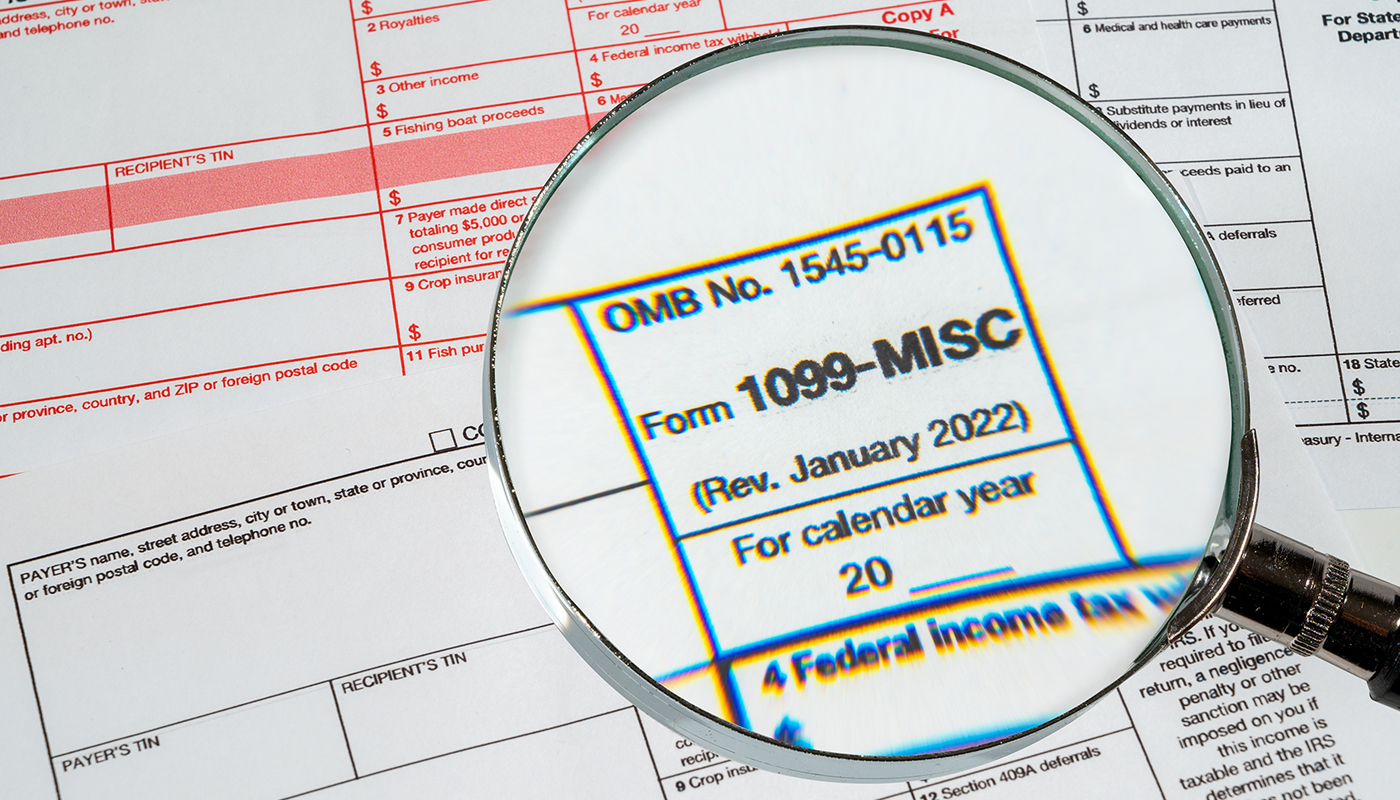
The Form 1099 reporting thresholds have changed from the old, familiar $600 amount to $2,000 for 2026. But because nothing is ever easy or straightforward, the threshold hasn’t changed for “all” transactions that might end up on a 1099, particularly with Form 1099-MISC.