


In the transformative landscape of 2027, the role of the accountant has transcended traditional boundaries. With Artificial Intelligence (AI) shouldering the burden of routine calculations and compliance checks, the Post-Cognitive Accountant emerges as a strategic visionary. No longer confined to the mechanics of number crunching, these professionals reimagine business tax forms—such as the Form 1120 for corporations—into dynamic portals that unlock untapped enterprise potential. Let's embark on an exploratory journey through a corporate tax return, revealing how each line item becomes a gateway to innovation, growth, and holistic success.

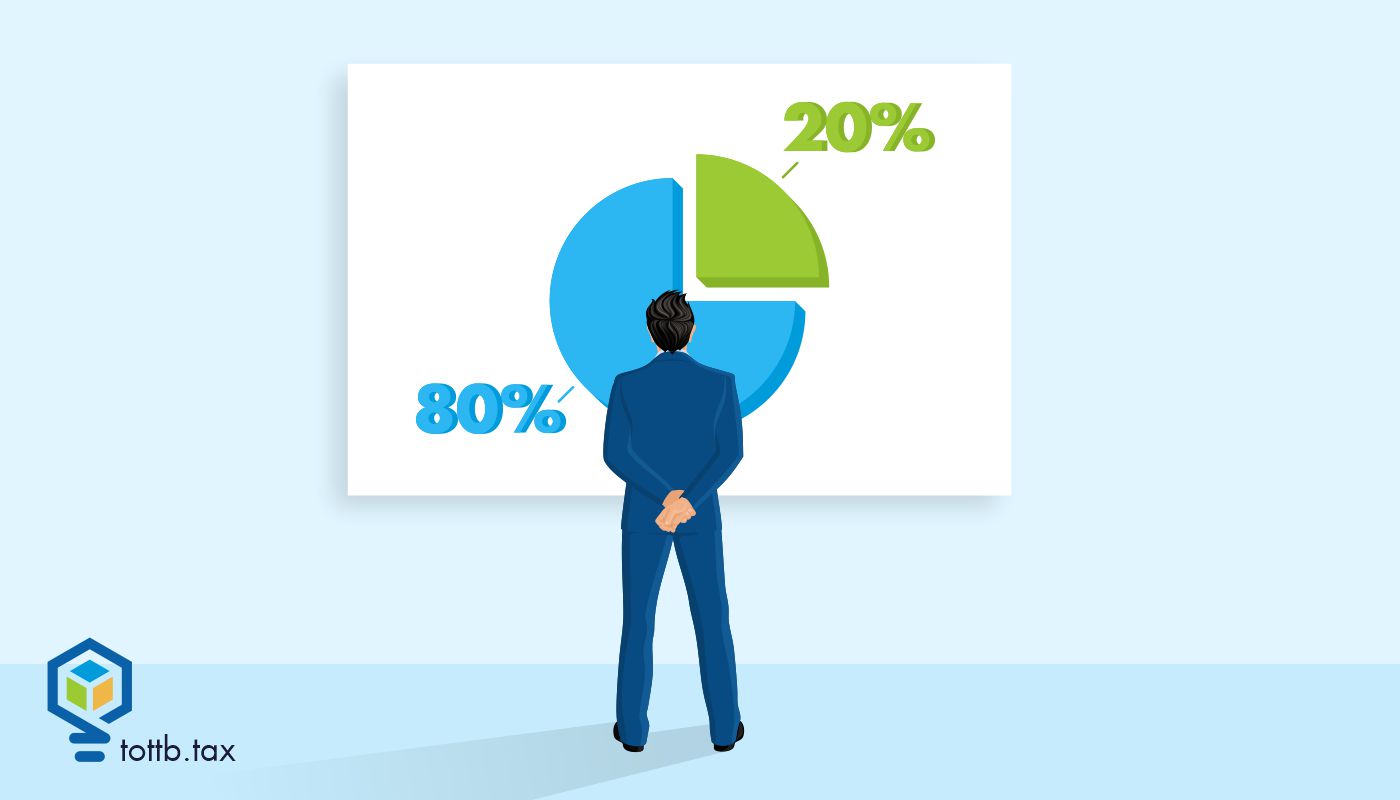
State Tax Planning with the “80/20 Company” Exclusion
Many multinational groups find that foreign-source dividends and other income earned by domestic affiliates are fully or partially subject to state income taxation, even where the federal system provides an exemption. This state-level “leakage” can be material – particularly in high-tax jurisdictions – and is often overlooked because the income appears sheltered at the federal level. For groups with predominantly foreign operations, a starting structure or a restructuring that causes one or more domestic affiliates to qualify as an “80/20 company” can substantially reduce or eliminate state taxation on that income.