

Clients who recently graduated college brim with enthusiasm for adult life. If they’re like most other adults, they’re less enthusiastic about tax strategies and probably don’t know much about grown ups’ taxes. Some might not even know filing deadlines and may never have filed a 1040. Withholding, deductions and dependency, saving for retirement and lowering taxable income: It’s always difficult to realize all that others don’t know about taxes, and here’s how to continue these young clients’ education.

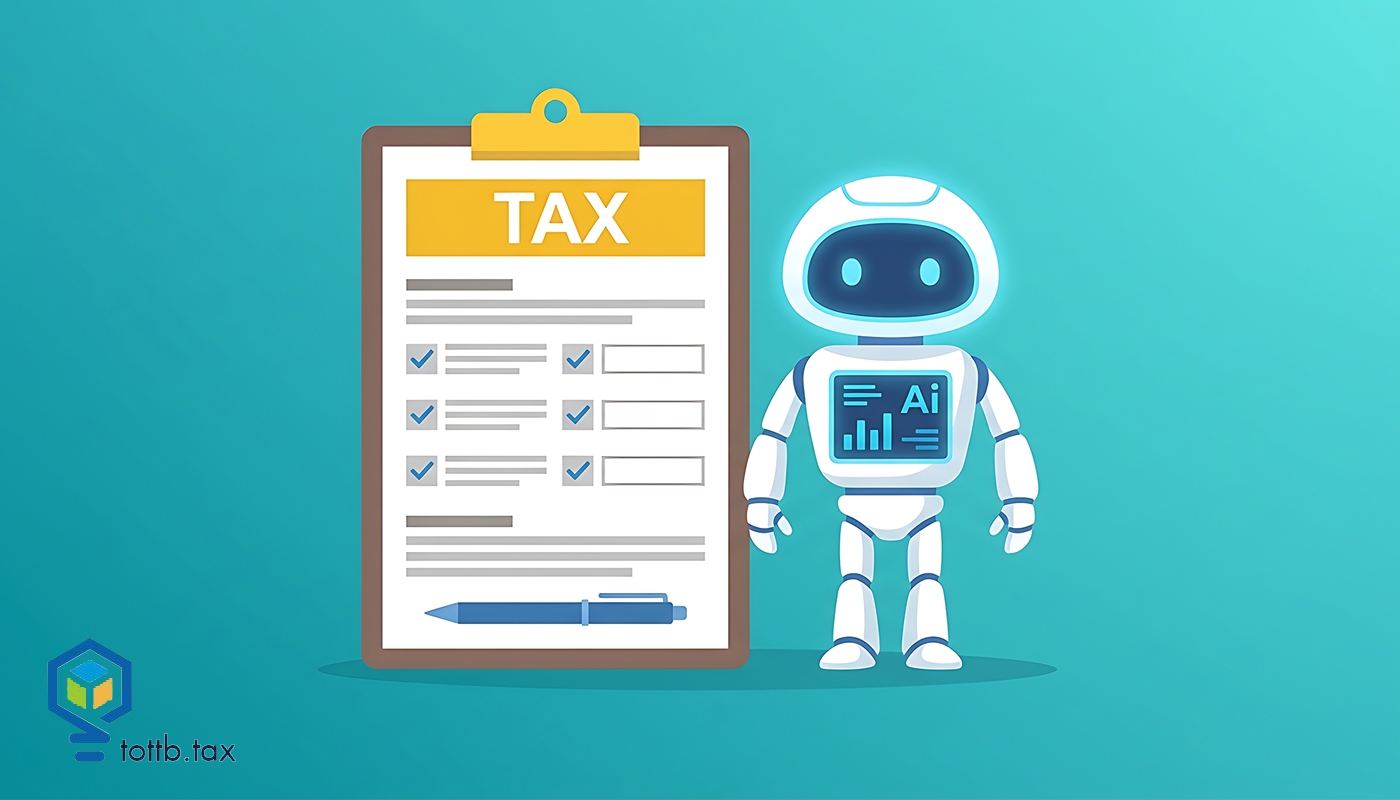
Tax Research in an AI World
It has never been harder to do quality tax research than at any time in my 43-year career in tax accounting. In the 1980s, when I was part-time in the industry, there was no internet. Since I was part-time, I ordered Publications 1132, 17, and 334. The rest I found at the library. A few hearty souls might even remember when the post office had stacks of tax forms for the public. Once I went full-time for the 1989 tax season I needed more resources. CCH was my tool of choice. I still used IRS publications and the library. My handy reference guide of choice was, and still is, the QuickFinder. I never used TaxBook much, but it is another good resource for general answers. Then came the internet. The promise was that we would have the world at our fingertips. And for the large part we did, only we forgot some things we would rather keep at an arm’s length. The internet slowly allowed us to replace rooms in our office filled with tax guides and forms with online resources. Law offices and accounting firms often wrote tax articles on narrow tax subjects. Research was easier than ever.
Then came AI.