
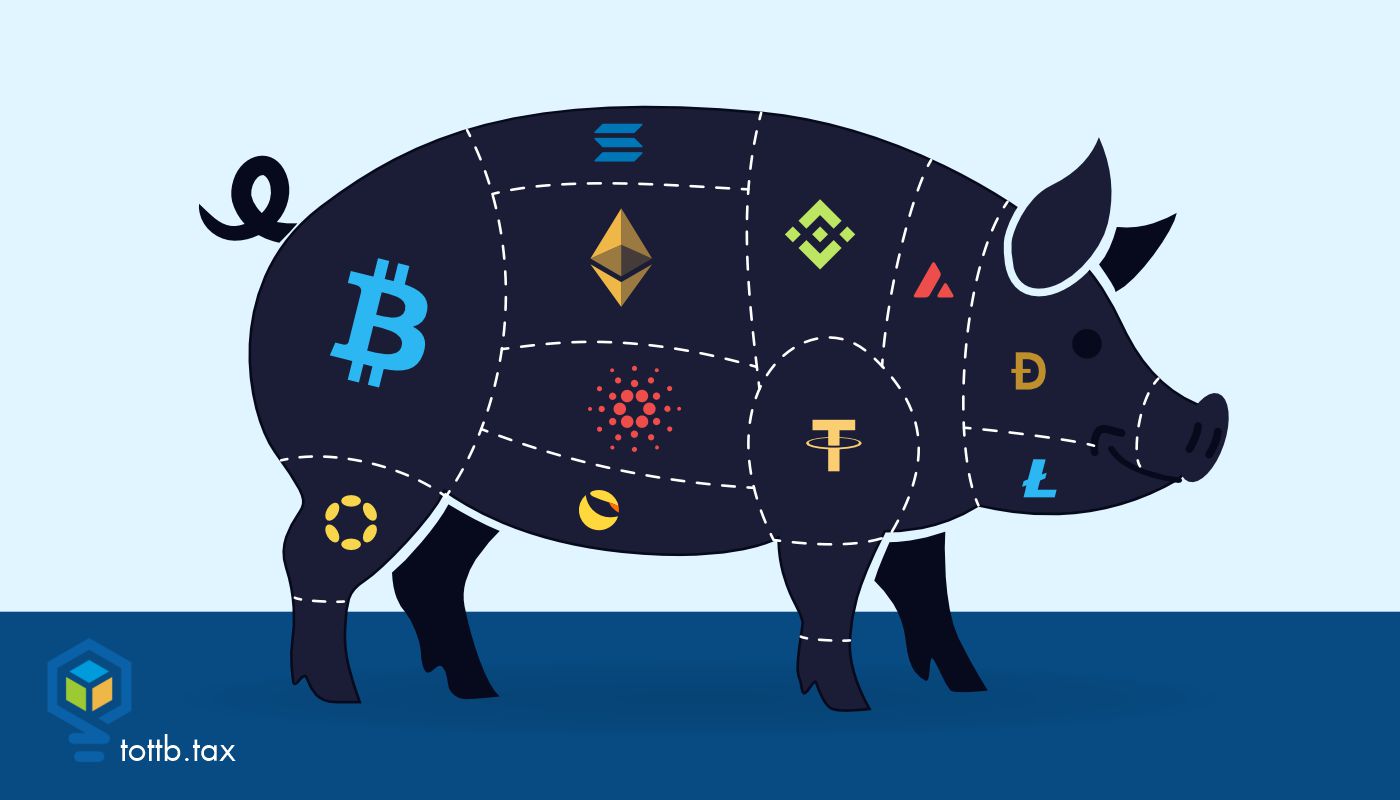

People use the online space to look for love, make business and financial decisions. And all of these decisions can have serious tax implications. That is why as trusted financial and tax advisors, it is important for us to be aware so we can help protect our clients. In 2024, the Federal Trade Commission released a report showing consumers reported losing $4.6 billion in investment scams. That's only the amount reported, so our clients are at risk if they are online making financial decisions. Today, let's look at a newer player in the online investment scam arena: pig butchering. If you're like me, you're probably thinking “what in the world does this have to do with taxes?” Unfortunately, everything. It leads to taxpayers receiving tax bills for money they withdrew but lost as victims of theft.

The NIL Tax Playbook
Regardless of where you stand on the issue, student athletes have been able to tap into a new revenue stream since July 1st, 2021. This is when the National Collegiate Athletic Association (NCAA) began to allow students to profit from their name, image, and likeness (NIL). Which leads to new tax implications for a group of taxpayers who may have never filed a tax return before. As this has unfolded, it reminded me of taxpayers who were on the forefront of making money online. It was something new, so not many taxpayers or even tax practitioners knew how to handle it. It was real money, but was it really a business? I’ve loved seeing it evolve. Now, right off the back of COVID-19, we have student athletes who are able to take advantage of their online presence and also make money. But the income people were making 20 years ago online is pennies compared to what some students can make through NIL deals. In 6 short years, students have gone from not being able to profit monetarily from their likeness while competing as a student to now potentially making millions.