


Albert Lauber, my favorite Tax Court judge, gave us an opinion in February that paints a detailed picture of the workings of a syndicated conservation easement. In the end, he supports the findings of the Senate Joint Finance Committee that the engine of these abusive transactions is an inflated appraisal. In November, David Gustafson issued an opinion that exposed the financial engineering techniques that promoters engaged in. We’ll take a look at those, but first I would like to give you an overview, because we may need that to figure out the lessons to be learned.

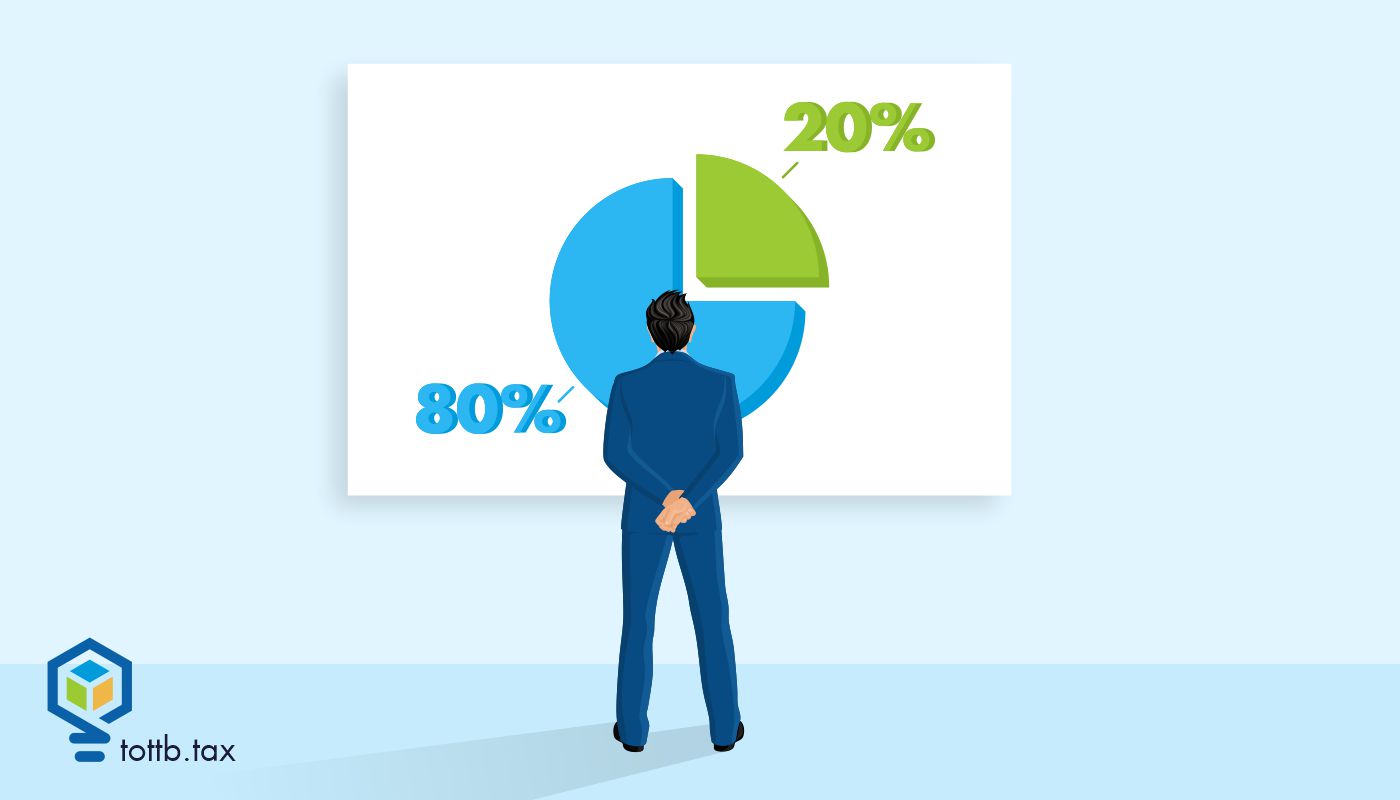
State Tax Planning with the “80/20 Company” Exclusion
Many multinational groups find that foreign-source dividends and other income earned by domestic affiliates are fully or partially subject to state income taxation, even where the federal system provides an exemption. This state-level “leakage” can be material – particularly in high-tax jurisdictions – and is often overlooked because the income appears sheltered at the federal level. For groups with predominantly foreign operations, a starting structure or a restructuring that causes one or more domestic affiliates to qualify as an “80/20 company” can substantially reduce or eliminate state taxation on that income.