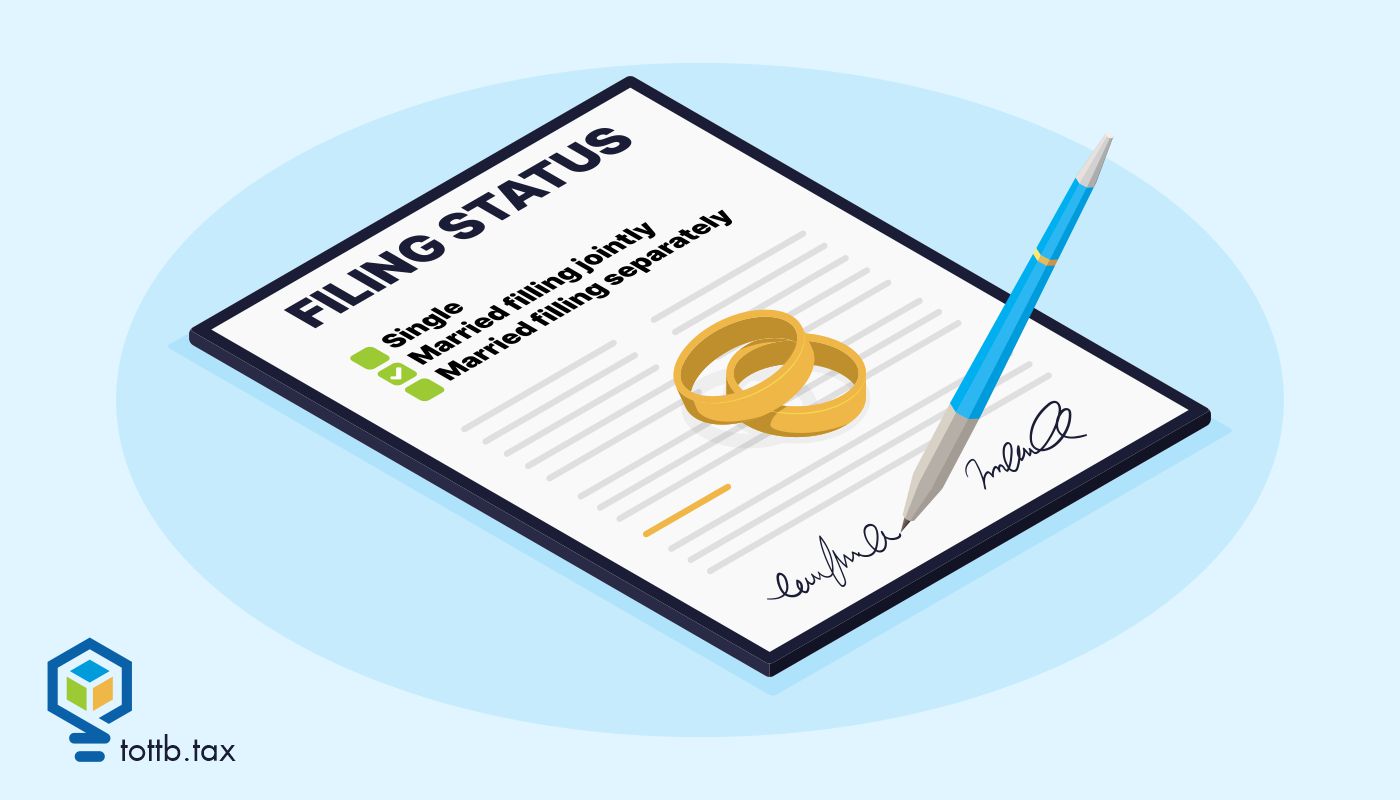
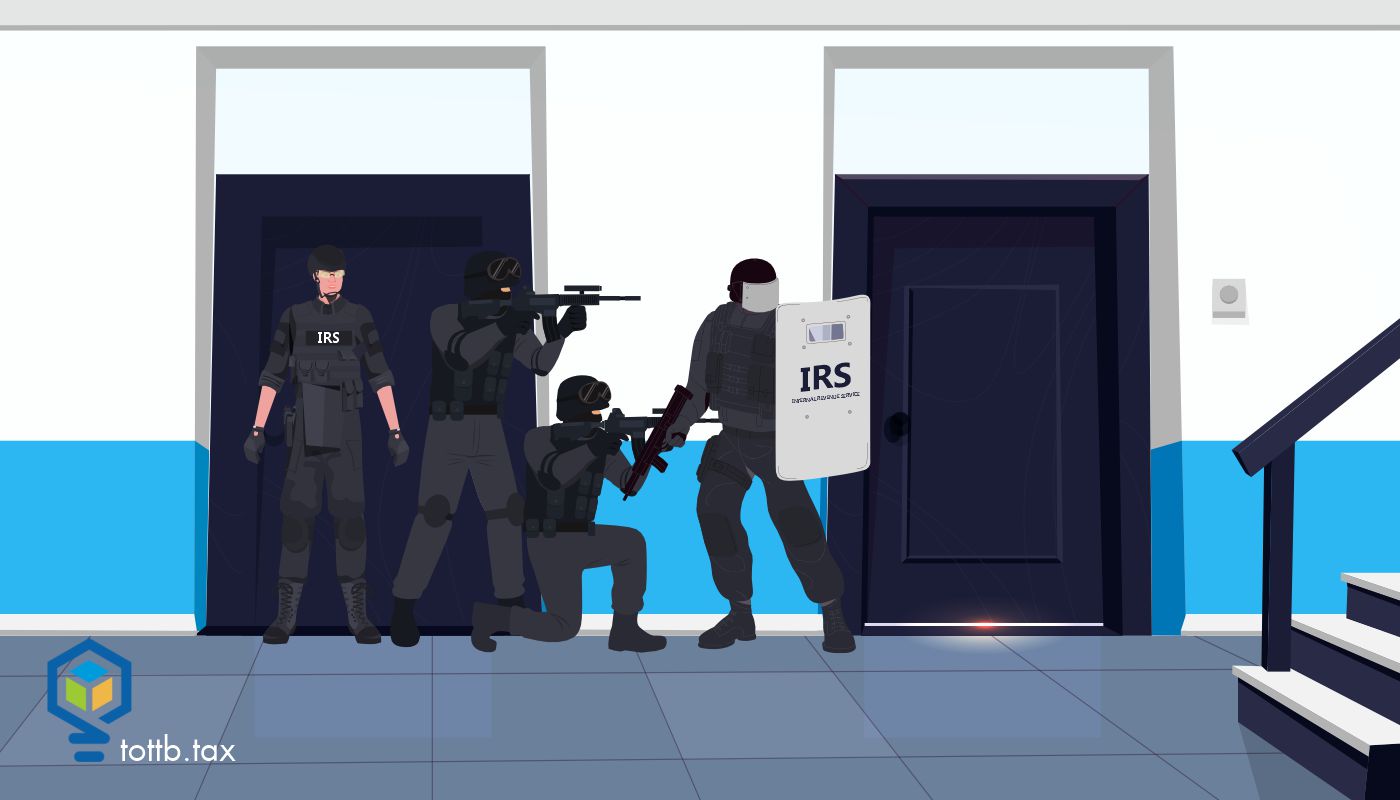

In recent years, the IRS Criminal Investigation (CI) division and the Department of Justice (DOJ) have aggressively pursued tax professionals involved in fraud or other tax-related crimes. Certified tax planners, preparers, accountants, and attorneys who engage in misconduct are facing serious legal consequences. This article reviews notable prosecutions from roughly the past five years, highlighting enforcement trends and the types of fraud authorities have targeted. We then distill 10 key lessons from these cases – each supported by real-world examples and case citations – demonstrating how broad enforcement has impacted tax professionals. Finally, we conclude with a comprehensive list of dos and don'ts to help tax practitioners stay on the right side of the law and avoid the pitfalls that landed others in trouble.


When Your Client’s World Is Bigger Than the U.S.
A lot of client meetings still start with the same assumptions: W-2 in a U.S. state, mortgage nearby, a 401(k), maybe some RSUs, and a college-savings plan. Yet many of those “simple” clients now own an apartment in another country, freelance for a foreign company, or have parents wiring money from overseas. The tax code does not see those details as background color; it treats them as organizing facts. This is where citizenship, residency, and domicile quietly step onto center stage. For planners, the challenge is not memorizing every cross-border rule. It is knowing when a client is no longer “just domestic” and shifting your planning framework before you stumble into penalties, double taxation, or blown opportunities.