
Tax Research in an AI World
It has never been harder to do quality tax research than at any time in my 43-year career in tax accounting. In the 1980s, when I was part-time in the industry, there was no internet. Since I was part-time, I ordered Publications 1132, 17, and 334. The rest I found at the library. A few hearty souls might even remember when the post office had stacks of tax forms for the public. Once I went full-time for the 1989 tax season I needed more resources. CCH was my tool of choice. I still used IRS publications and the library. My handy reference guide of choice was, and still is, the QuickFinder. I never used TaxBook much, but it is another good resource for general answers. Then came the internet. The promise was that we would have the world at our fingertips. And for the large part we did, only we forgot some things we would rather keep at an arm’s length. The internet slowly allowed us to replace rooms in our office filled with tax guides and forms with online resources. Law offices and accounting firms often wrote tax articles on narrow tax subjects. Research was easier than ever.
Then came AI.
READ MOREJust Good Business – Develop or Review Your Employee Handbook
An employee handbook is usually designed to cover everything a new hire needs to know to get started at their job. Depending on the size of the company “everything a new hire needs to know” can be either a vast amount of information or a much smaller amount. Many small, closely held businesses may not have an employee handbook because they don’t feel they are large enough to warrant it or they (mistakenly) believe that necessary information is getting communicated effectively and consistently to all staff members. Often having an employee handbook isn’t something most businesses think about until it’s too late (for example, when an employee files a lawsuit for discrimination or a worker’s compensation claim). Even businesses that have an employee handbook may not give it much thought once it has been developed. But developing and maintaining a useful employee handbook is just good business. Why? The employee handbook explains a company’s culture and values and is a valuable reference tool for employees looking for information on company policies. It can save management time (and money) and can help to prevent or mitigate legal issues for the company.
Read More
How to Get More Tax Benefit from a Fully Depreciated Property
Question: I have a fully depreciated rental property that I purchased more than 40 years ago. What are some tax planning strategies I should consider? Answer: Congratulations! You defied the odds and the thousands of advertisements claiming that real estate investing is an easy way to get rich. But now that your precious “paper losses” a.k.a. depreciation is long gone, it’s time to search for a new way to create tax advantaged income. There are some fun ways to “re-depreciate” your investment again, and even put some of those carryovers to use. But before jumping into tax, let’s also consider your investment returns since you achieved this milestone. One issue I see many real estate investors face is that they tend to be short-sighted with their goals. You might, initially, have a goal to get rental income sufficient to cover your mortgage payments. You might have a longer-term goal of eventually having rental income pay off your mortgage. Often, when either of these events occur, I notice some investors sit back to enjoy their success. While success specifically means something different for everyone, from a wealth and tax perspective it is important to also evaluate your choices and returns on your investment. Examining the cash-on-cash return on investment is especially important for real estate investors who may not consider more than their initial down payment as their own investment. In addition, identifying loopholes which allow you to re-depreciate your property can also create significant tax benefits you cannot afford to miss. Keep reading to learn more…
Read More
2022 Summer Education Series Event Calendar
TOTTB proudly introduces our 2022 SUMMER EDUCATION SERIES! That’s right! Every month through August we will be bringing you a FREE, live webinar event to help educate and inspire you on all things tax! As a monthly or annual subscriber, these webinars are 100% exclusive, and free to you! Guest speakers include regular columnist, Peter Reilly, Boston Tax Institute Founder, Lucien Gauthier, the Tax Mama, Eva Rosenberg, and more! Every webinar comes with free continuing education credits for those who qualify! Keep reading for more details...
Read More
The Bucket List (Part 1): Living Large in Retirement While Minimizing Your Taxes
We've all heard the messages to pay yourself first, save a percentage of your income, build your nest egg, and some of us heeded the messages. Whether you’ve saved a lot or a little, we have many ways to reduce taxes in retirement, and by doing so, we maximize the power of our retirement savings. Accumulating retirement funds is step one. And there are tax-advantaged ways to save for retirement: employer plans (401(k), 403(b), 457), individual retirement accounts (IRAs), self-employed retirement plans (Keogh, SEP, SIMPLE, Solo 401(k)), and non-retirement accounts. While you’re saving, you may have accumulated multiple “buckets” of assets, some in taxable accounts, some tax-deferred, some nontaxable. Looking ahead toward retirement withdrawals/distributions (the funds you’ll need for essential and discretionary living expenses) adds tremendous value, and tax planning is a big part of the picture. Read on for more specifics and stay tuned for Part 2 with additional tips and examples.
Read More
Do Your Clients Know Their Own Business Entity?
Have you been working with a partnership client or Schedule C client for a couple of years, only to find out: “Oh, by the way, we incorporated two years ago?” Or the taxpayer brings you a notice for non-filing penalties on the partnership or S corporation you didn’t know existed? When you are working with existing business clients for several years, you are not concerned about their prevailing business structure. After all, if you have been filing the wrong entity’s tax return, you would have been alerted by now. Right? As it turns out, not always. When you find out about the error, your gut reaction is that it’s your fault. Is your errors and omissions insurance (or malpractice insurance) up to date? Take a deep breath; it’s not your fault. Probably. Let's keep reading and find out.
Read More
How to Withdraw Cash from Your C Corporation Tax-free
Question: I understand the concept of paying just 21 percent tax through a C corporation. This makes sense if my tax rate is higher than, say 25 percent or 35 percent. But isn’t this money taxable to me as a dividend as soon as I withdraw it from the corporation? I don’t understand; won’t that actually cost me more tax? Answer: You have identified the exact reason C corporations can be what we call “high maintenance.” You’re right. Done in the wrong way, using a C corporation can actually cost more in tax than using a pass-through entity and paying tax at your individual rate, even if that rate is, say, 35 percent. By the time you pay qualified dividends tax on any withdrawals, you can wind up paying 45 percent or even 50 percent, depending on your individual tax rate. The key is to use smart planning. Rather than simply withdrawing the funds from your C corporation as a taxable dividend, use one six ways to withdraw tax-free instead. Doing this will help you lock in the low 21 percent flat rate and permanently save you from your high individual tax brackets. Keep reading to learn more.
Read More
Joint Filing – An Election Not a Marital Vow
The flurry of tax provisions, meant to alleviate the economic dislocation of the Covid plague, have made many tax practitioners sensitive to the possibility of Married Filing Separately yielding a lower tax for a couple. Back in the day, it was rare enough that many felt they could safely ignore it. Lindsay Starrett of Baker Starrett in Grinnell, Iowa, gave me an example of saving taxpayers $3,500. I am not going to try to parse the details of that or other examples. I will just refer you to Reilly’s Sixth Law of Tax Planning: Don’t do the math in your head. Have good software and code income items as taxpayer, spouse, or joint. You may need to run multiple computations moving the dependent’s around. Also be aware, the IRS may not be as cooperative as it should be in allocating estimated tax payments. One of my old friends wrote me: "In 2020, we did MFS returns for the $10,200 unemployment exclusion and learned the IRS is unable to …" Click here to continue reading.
Read More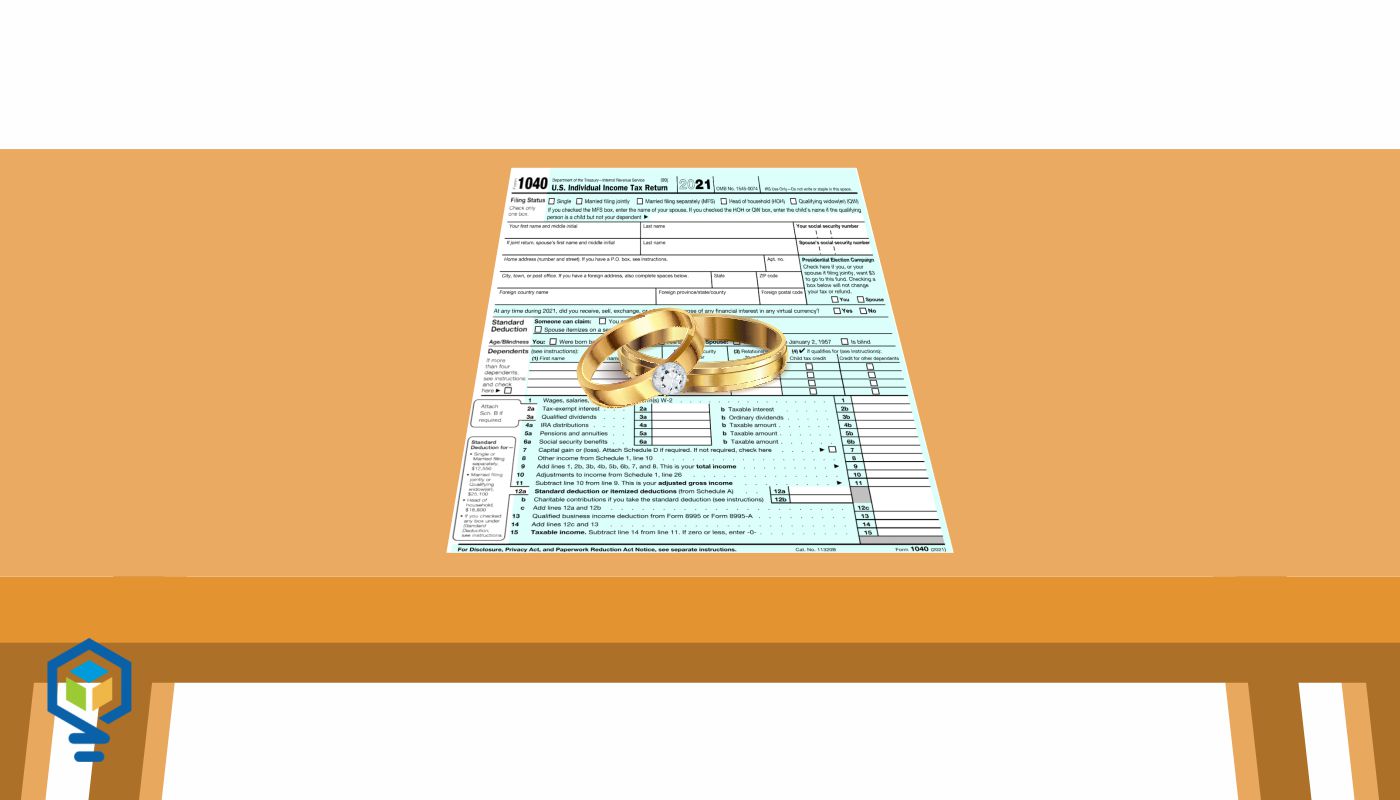
Upgrade Your Client Experience with a New Mindset
Sponsored by Liscio You care deeply about your clients. It’s why you got into this business: to have a direct impact on your clients’ success. With this in mind, understanding where your firm falls on the spectrum of great vs. poor client experience is fundamental to your success. At its core, drop-dead easy, secure digital communication and document exchange are everything in your clients’ minds, even if they don’t say it. Beyond just taking great care of your clients, if you want to get paid premium fees, you have to deliver a premium experience. Keep reading to learn how to deliver premium level service.
Read More

Tax Research in an AI World
It has never been harder to do quality tax research than at any time in my 43-year career in tax accounting. In the 1980s, when I was part-time in the industry, there was no internet. Since I was part-time, I ordered Publications 1132, 17, and 334. The rest I found at the library. A few hearty souls might even remember when the post office had stacks of tax forms for the public. Once I went full-time for the 1989 tax season I needed more resources. CCH was my tool of choice. I still used IRS publications and the library. My handy reference guide of choice was, and still is, the QuickFinder. I never used TaxBook much, but it is another good resource for general answers. Then came the internet. The promise was that we would have the world at our fingertips. And for the large part we did, only we forgot some things we would rather keep at an arm’s length. The internet slowly allowed us to replace rooms in our office filled with tax guides and forms with online resources. Law offices and accounting firms often wrote tax articles on narrow tax subjects. Research was easier than ever.
Then came AI.

Trump Accounts Are Live. Are They Spectacular?
Trump Accounts (or § 530A accounts) went live via app on July 4, 2026. According to the Treasury Department, over six million accounts have been opened. As of Monday, July 6, 2026, parents and guardians of account beneficiaries could use the app to view their children’s accounts, fund the accounts, and access balances and financial education information. The Treasury Department designated BNY Mellon “as a financial agent of the U.S. government to support implementation of the new Trump Accounts program.” BNY, in partnership with Treasury, will manage the accounts and help to develop the app taxpayers can use to manage their accounts. Robinhood Securities, LLC is acting as the initial trustee and brokerage for the accounts.
Will AMT Make a Comeback After OBBBA?
Following Betteridge’s Law of Headlines, the answer to the question posed in the headline is, “no.” Actually — because we’re talking about taxes here — we can say the answer is never so definitive, so let’s change it to “probably not.” But it’s more complicated than it may seem.