


John Anthony Castro is a colorful character. He entered several Republican primaries seeking the Presidential slot after failing to win the primary for a Senate seat representing Texas. He sued to have our once and future President Donald Trump be removed from the ballot on Fourteenth Amendment Section 3 grounds. As we can easily infer, those suits went nowhere. But more than anything, John Anthony Castro was a tax guy with a virtual practice with locations in four cities. Not anymore. Now he is resident in a Bureau of Prisons facility – the Federal Medical Center Fort Worth. On October 30, 2024, Judge Terry Means sentenced Castro to 188 months in prison, followed by one year of supervised release and restitution of $277,243, following his conviction on 33 counts of “Aiding and Assisting in the Preparation and Presentation of a False and Fraudulent Return." Does the sad story of John Anthony Castro hold any lessons for us? Perhaps.

The NIL Tax Playbook
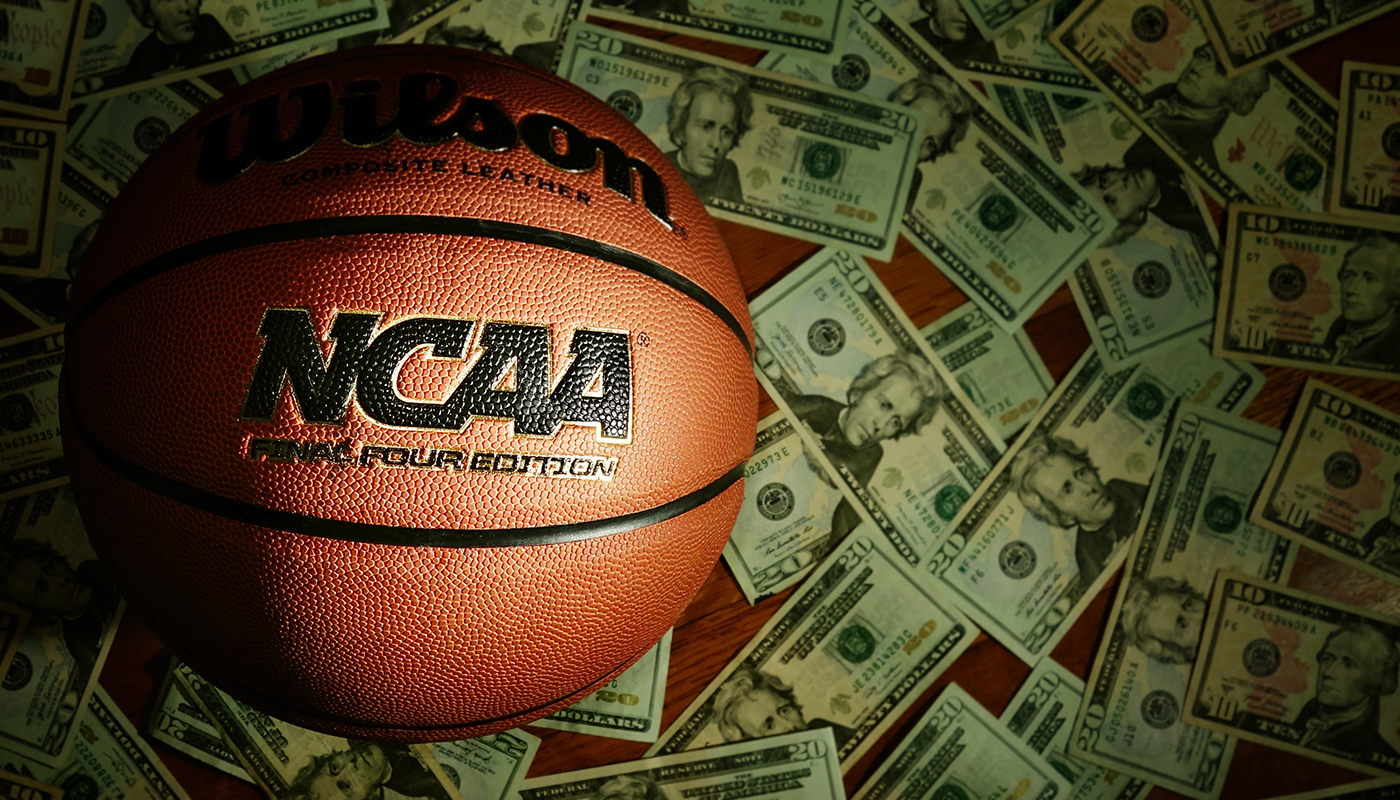
Regardless of where you stand on the issue, student athletes have been able to tap into a new revenue stream since July 1st, 2021. This is when the National Collegiate Athletic Association (NCAA) began to allow students to profit from their name, image, and likeness (NIL). Which leads to new tax implications for a group of taxpayers who may have never filed a tax return before. As this has unfolded, it reminded me of taxpayers who were on the forefront of making money online. It was something new, so not many taxpayers or even tax practitioners knew how to handle it. It was real money, but was it really a business? I’ve loved seeing it evolve. Now, right off the back of COVID-19, we have student athletes who are able to take advantage of their online presence and also make money. But the income people were making 20 years ago online is pennies compared to what some students can make through NIL deals. In 6 short years, students have gone from not being able to profit monetarily from their likeness while competing as a student to now potentially making millions.