
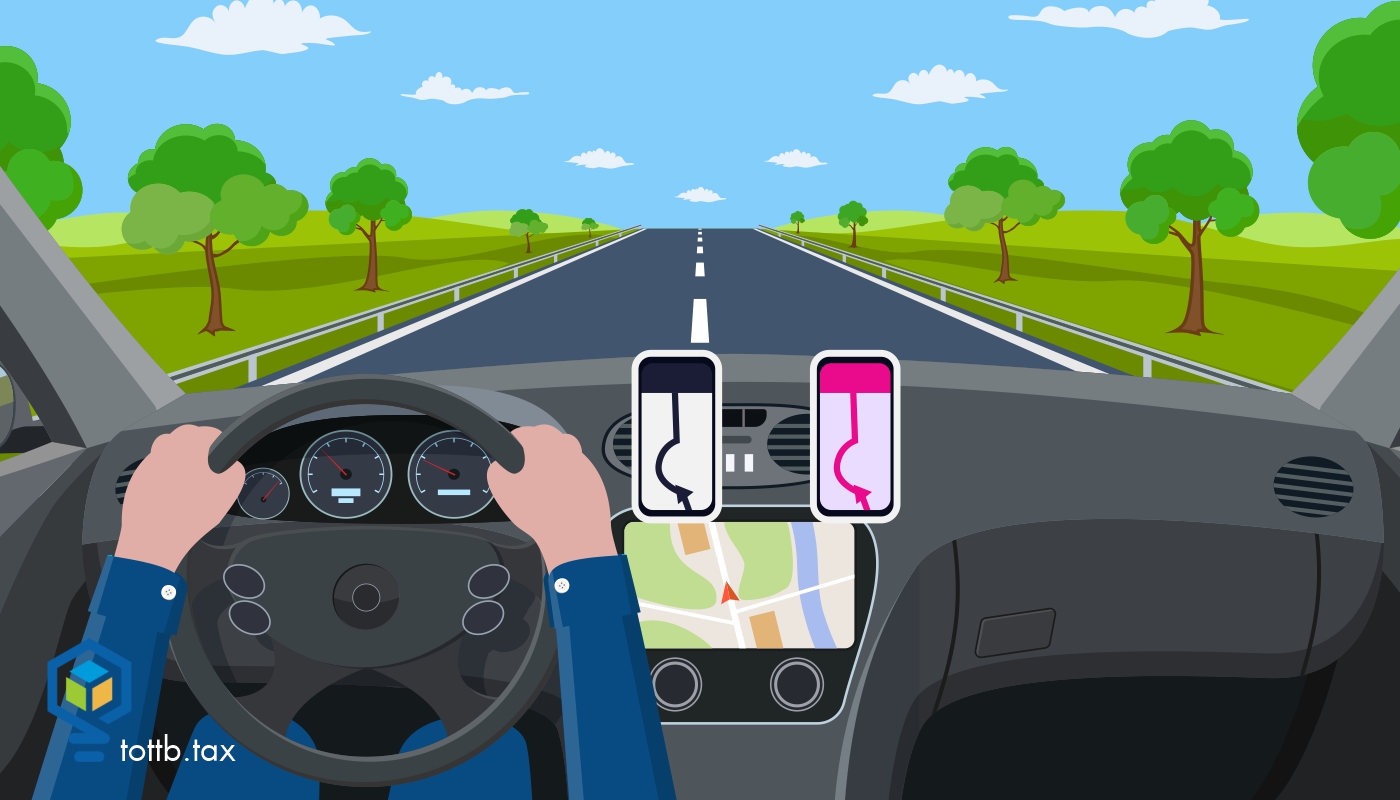

I can recall looking for a part time job in local newspapers when I was in high school. Sometimes a friend and I would ride around with our $2.29 per gallon gas looking for places that were hiring. Facebook was gaining popularity but not for job posting. So, searching for jobs on my phone via an app was unimaginable.
Advances in technology have changed the way that we do things in the world. Everything an individual needs to find a job is right at their fingertips. There are more opportunities to find gigs and be your own boss if that’s what one desires.
There’s no question that the way people find ways to earn income has changed. What has not changed is the fact that the IRS wants their share of the income earned. But how do we apply the tax code to these new ways that taxpayers are earning money?
We are going to break that down in this three-part series. Whether your client is doing odd jobs on an app like TaskRabbit, driving for Lyft, renting out their home or car, you will know how to guide them. This is what we are going to cover today with a focus on rideshare, delivery, and other service gigs.

Will AMT Make a Comeback After OBBBA?
Following Betteridge’s Law of Headlines, the answer to the question posed in the headline is, “no.” Actually — because we’re talking about taxes here — we can say the answer is never so definitive, so let’s change it to “probably not.” But it’s more complicated than it may seem.