

If you build a mini business empire and it subsequently fails, a small consolation prize might be a net operating loss carryover that will shelter some or all of your more modest income for many years. Of course NOLs are only one among many carryovers that need tracking. In my experience the tracking often leaves much to be desired. Changes in tax preparers or even software can result in the loss of valuable carryovers. But that is not the worst of it...

The NIL Tax Playbook
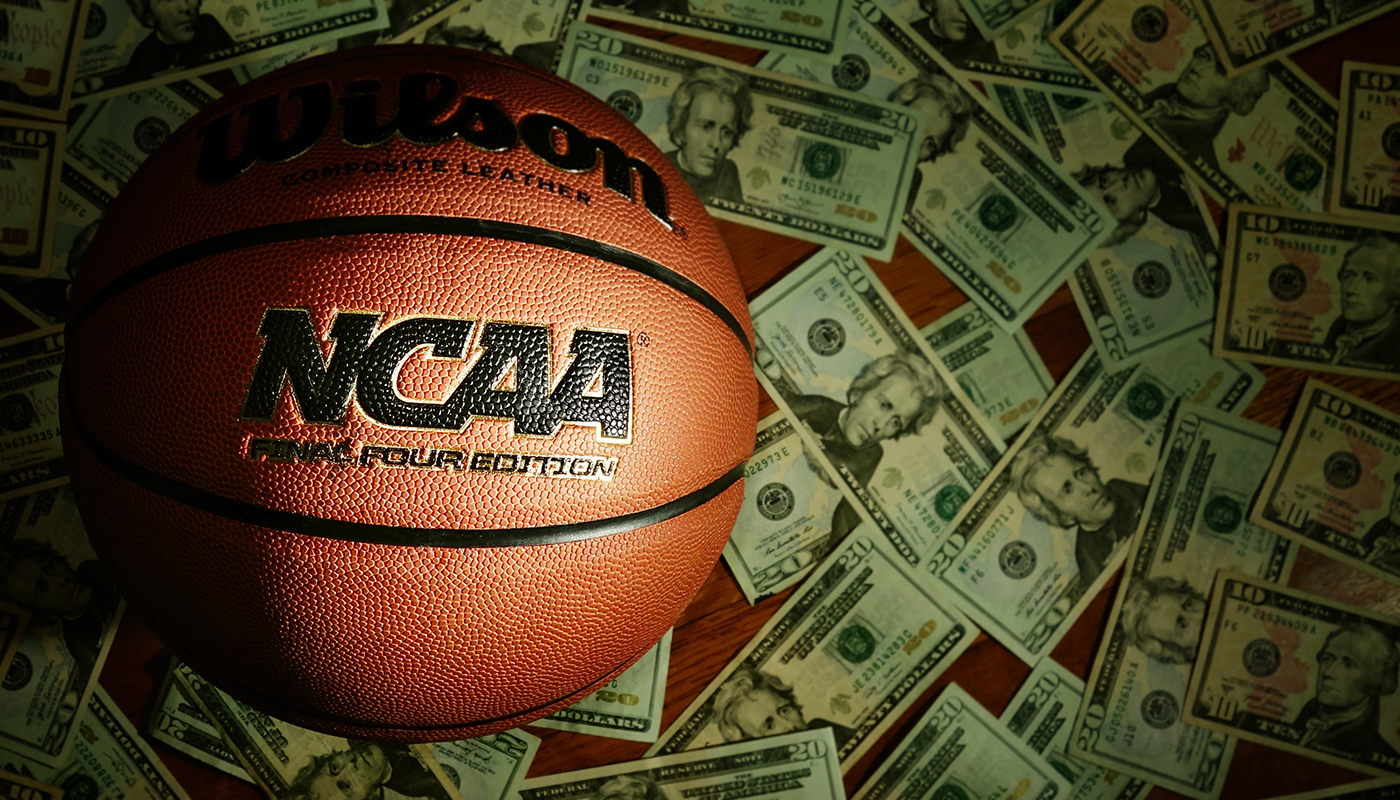
Regardless of where you stand on the issue, student athletes have been able to tap into a new revenue stream since July 1st, 2021. This is when the National Collegiate Athletic Association (NCAA) began to allow students to profit from their name, image, and likeness (NIL). Which leads to new tax implications for a group of taxpayers who may have never filed a tax return before. As this has unfolded, it reminded me of taxpayers who were on the forefront of making money online. It was something new, so not many taxpayers or even tax practitioners knew how to handle it. It was real money, but was it really a business? I’ve loved seeing it evolve. Now, right off the back of COVID-19, we have student athletes who are able to take advantage of their online presence and also make money. But the income people were making 20 years ago online is pennies compared to what some students can make through NIL deals. In 6 short years, students have gone from not being able to profit monetarily from their likeness while competing as a student to now potentially making millions.