

Reassessing R&D Structures After the Section 174 Changes
Recent changes to the tax treatment of research and experimental (“R&E”) expenditures may warrant a fresh look at existing intellectual property (“IP”) and research and development (“R&D”) structures. This article examines whether taxpayers should revisit decisions regarding the location of R&D activities, IP ownership, contract R&D arrangements, and related transfer pricing policies in light of the evolving legislative landscape, and how the interaction of Sections 174, 168(k), 59(e), and 163(j) can be used to calibrate a tax-efficient result.
READ MOREMy Client Stuck with a Mistaken C Corporation Election?
My client formed three limited liability companies (LLCs) to hold his rental properties. Without consulting me, he filed Form 8832, Entity Classification Election, to elect C corporation treatment, effective January 1, 2020, for these LLCs. I want the LLCs to be disregarded entities, which is the most tax-efficient structure for his situation. What is the best way to undo these elections?
Read More
GOFUNDME & KICKSTARTER: TAXABLE? DEDUCTIBLE?
Millions of taxpayers in the United States are using crowdfunding websites like GoFundMe and Kickstarter to raise money for important needs, such as paying medical bills, paying legal fees, or funding a new business venture. Both the IRS and the courts have been surprisingly silent on the tax consequences of crowdfunding platforms. The good news is that established tax law provides a clear road map for answering most tax questions created by raising money from a crowdfunding website. By knowing these rules, taxpayers can use crowdfunding to raise cash and minimize their overall tax exposure.
Read More
How Business Owners Can Boost Income by Avoiding the $10,000 SALT Cap
Taxpayers have been whipsawed by confusing rules for the $10,000 limit on deducting state and local taxes (SALT), the most politically charged piece of the Tax Cuts and Jobs Act (TCJA) of 2017. The cap has caused nearly 11 million individuals to lose an annual deduction worth $323 billion. But many owners of private businesses known as passthroughs can avert that financial pain. If you own your company and thus report your business income on your personal federal income tax return, here’s what you need to know.
Read More
Avoiding Passive Loss Limitations Through Short-term and Alternative Rentals
Short-term rentals like AirBnb are becoming increasingly popular with taxpayers who invest in real estate. For many taxpayers, the appeal of these properties is the flexibility and cash flow potential. However, there may be an overlooked third tax benefit. In many situations these short-term rentals may not qualify as a rental activity to the IRS, and that may offer a big tax break. While many rental activities generate losses, this can leave taxpayers facing the frustrations of not always getting to deduct those losses right away due to the passive activity limitations.
Read More

Reassessing R&D Structures After the Section 174 Changes
Recent changes to the tax treatment of research and experimental (“R&E”) expenditures may warrant a fresh look at existing intellectual property (“IP”) and research and development (“R&D”) structures. This article examines whether taxpayers should revisit decisions regarding the location of R&D activities, IP ownership, contract R&D arrangements, and related transfer pricing policies in light of the evolving legislative landscape, and how the interaction of Sections 174, 168(k), 59(e), and 163(j) can be used to calibrate a tax-efficient result.
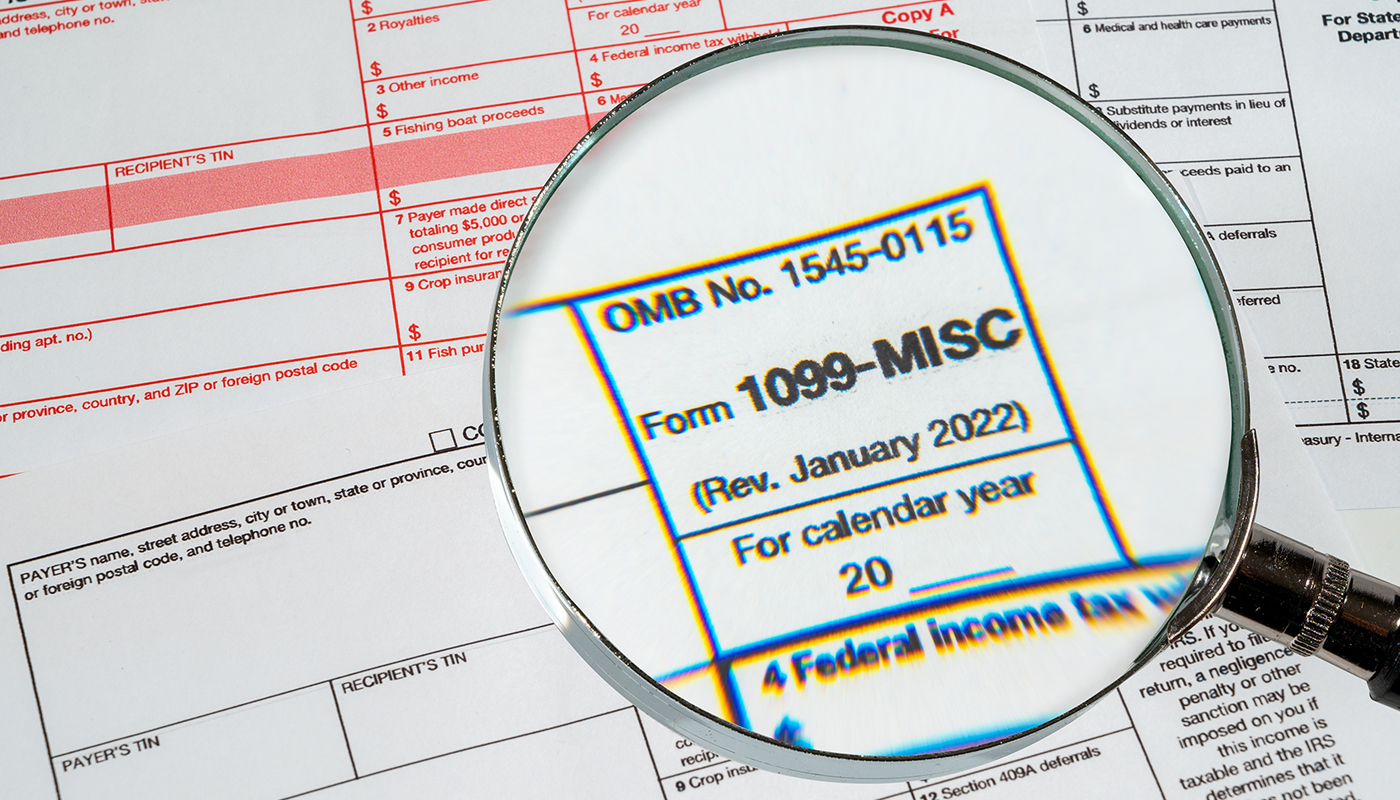
Form 1099 Reporting Thresholds Have Changed
The Form 1099 reporting thresholds have changed from the old, familiar $600 amount to $2,000 for 2026. But because nothing is ever easy or straightforward, the threshold hasn’t changed for “all” transactions that might end up on a 1099, particularly with Form 1099-MISC.

What Do You Ask Indie Game Developers at Tax Interviews?
When you take on a new client, the tax interview is one of the most crucial elements of ensuring that their tax documents are prepared correctly. Both individual and business clients should provide you with a road map for their current tax situation, what they expect it to look like in the near future, and how your tax planning and preparation skills will help them with their business or financial goals. To focus specifically on business clients, questionnaires that the client fills out beforehand can efficiently cut down on facetime. This allows you more time to ask focused questions and learn about your client’s business needs and environment. But if your client is a game developer, specifically an indie game developer, there’s some nuanced questions you should ask in person or as an addendum to your questionnaire after you’ve read about the basics of doing business with game developers.